
Hyaluronic Injection Vienna – Osteoarthritis Therapy
Osteoarthritis therapy using hyaluronic acid injections.
Osteoarthritis is one of the most common joint diseases and results from the progressive wear and tear of the articular cartilage. The resulting pain and restricted movement significantly impair the quality of life. Knee, hip, and shoulder joints are most commonly affected. With the right osteoarthritis therapy, wear and tear can be slowed down and symptoms can be effectively treated.
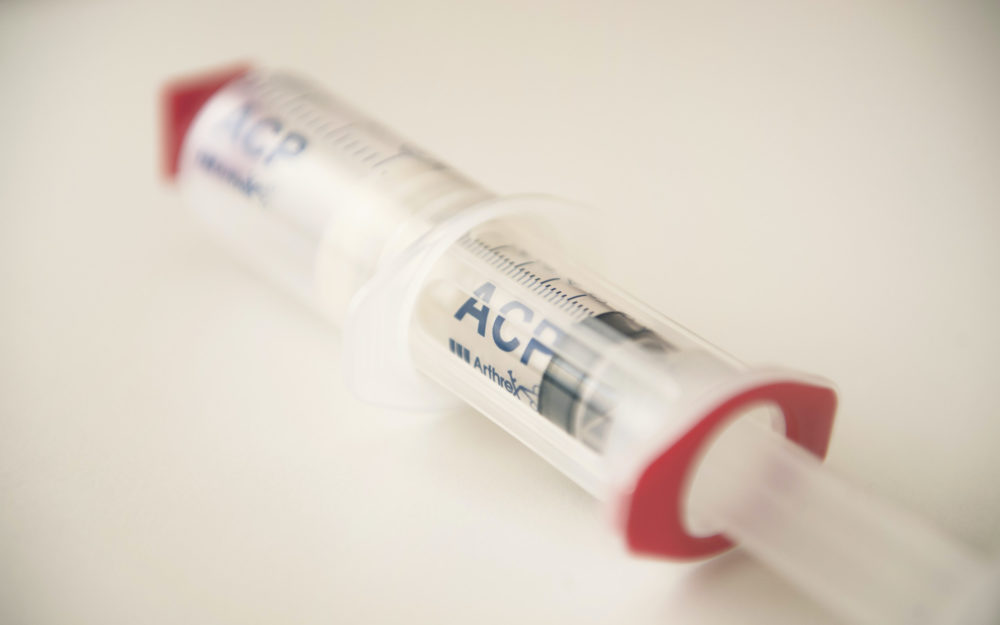
A proven and gentle treatment method is the hyaluronic acid therapy. Hyaluronic acid is injected directly into the affected joint to improve joint fluid and increase cartilage lubrication. Hyaluronic acid acts like a lubricant that protects the articular cartilage, reduces inflammation, and increases the joint’s resilience. The injections are particularly effective in the early and middle stages of osteoarthritis and help to postpone surgery.
- Method: Injection of hyaluronic acid directly into the affected joint
- Indications: Knees, hips, shoulders, and other joints at risk of osteoarthritis
- Procedure: Minimally invasive, outpatient, without anesthesia
- Duration: approx. 10–20 minutes per session
- Pain relief: Often noticeable within a few days
- Duration of effect: Several months, depending on the stage of osteoarthritis
- Repeatability: Individual, depending on the progression of osteoarthritis
- Goal: Pain relief, improved mobility, cartilage protection
Pain relief through hyaluronic acid injection – Osteoarthritis therapy for a better quality of life.
Diagnosis, Treatment, and Benefits of Osteoarthritis Therapy with Hyaluronic Acid
The diagnosis of osteoarthritis begins with a thorough examination of the affected joints. A combination of medical history, physical examination, and imaging procedures such as X‑rays or MRI helps determine the stage of osteoarthritis and the severity of cartilage wear. Based on the results, an individualized treatment plan can be created.
In the treatment of osteoarthritis, hyaluronic acid therapy has proven to be particularly effective. Hyaluronic acid is injected directly into the affected joint to improve the joint fluid and protect the cartilage from further damage. The therapy is particularly gentle and is carried out on an outpatient basis, without the need for anesthesia or lengthy downtimes. Hyaluronic acid has an anti-inflammatory effect, improves the gliding ability of the joint and reduces pain in the long term.
Advantages of hyaluronic acid therapy:
Targeted effect: Direct treatment of the affected joint without stressing the entire body.
Gentle procedure: Minimally invasive, without surgical intervention.
Improved quality of life: Reduction of pain and restoration of mobility.
Long-term effect: Protection of the cartilage and delay of a possible joint replacement.
Individually adaptable: Suitable for many joints and various stages of osteoarthritis.
Hyaluronic acid therapy is an ideal solution for patients who suffer from the symptoms of osteoarthritis but want to avoid or postpone surgery. Through targeted treatment, pain can be reduced, mobility improved and the quality of life significantly increased.
Targeted osteoarthritis therapy with hyaluronic acid – For a pain-free and active life.
Frequently Asked Questions (FAQs) about Osteoarthritis Therapy with Hyaluronic Acid Injections in Vienna
What is hyaluronic acid therapy and how does it work?
Hyaluronic acid therapy is a minimally invasive method for treating osteoarthritis. Hyaluronic acid, a natural component of joint fluid, is injected directly into the affected joint. It acts as a lubricant, reduces friction and inflammation in the joint, relieves pain and improves mobility.
Which joints are suitable for hyaluronic acid therapy?
The therapy can be used for almost all joints affected by osteoarthritis, especially for:
- Knee joints (knee osteoarthritis)
- Hip joints (hip osteoarthritis)
- Shoulder joints
- Ankle joints
The hyaluronic acid injection is individually adapted to the affected joint and the severity of the osteoarthritis.
When is hyaluronic acid therapy useful?
Hyaluronic acid therapy is particularly effective in the early to middle stages of osteoarthritis. It can help improve joint function, relieve pain and postpone surgery, such as joint replacement. It is also a useful option for chronic joint problems that do not respond to conservative measures.
What is a hyaluronic acid injection like?
The injection is performed on an outpatient basis and only takes a few minutes. After disinfecting the skin, the hyaluronic acid is injected directly into the joint with a fine needle. If necessary, the procedure is performed under ultrasound guidance to ensure precise placement of the injection. The patient can then be mobile again immediately.
How quickly does a hyaluronic acid injection work and how long does the effect last?
The effect usually begins within a few days to weeks after the injection. Patients report a noticeable reduction in pain and an improvement in mobility. Depending on the stage of osteoarthritis, the effect of hyaluronic acid lasts for several months to a year. The treatment can be repeated if necessary.
Are there any side effects with hyaluronic acid therapy?
Hyaluronic acid therapy is a very safe procedure. Occasionally, slight redness, swelling or a temporary feeling of pressure may occur at the injection site. Serious side effects are extremely rare.
How many hyaluronic acid injections are necessary?
The number of injections depends on the stage of osteoarthritis and the individual symptoms. As a rule, 3 to 5 sessions at weekly intervals are necessary to achieve optimal results.
Can hyaluronic acid therapy replace surgery?
In many cases, hyaluronic acid therapy can postpone or even avoid surgery. The therapy can significantly relieve symptoms, especially in the early stages of osteoarthritis. However, in the case of very advanced osteoarthritis or completely destroyed cartilage, a joint replacement is often the better solution.
Can hyaluronic acid therapy be combined with other treatments?
Yes, the therapy can be effectively combined with other conservative measures such as physiotherapy, anti-inflammatory medication, or exercise therapy. A holistic treatment approach can support healing success and further improve joint function.
Who covers the costs for hyaluronic acid therapy?
The costs for hyaluronic acid therapy are generally not covered by statutory health insurance, as it is considered an individual health service. Private health insurance companies often cover the costs fully or partially. Patients should consult with their health insurance provider before treatment.