
Infiltration Vienna – Infiltration Therapy – Pain Therapy
Infiltrations are a minimally invasive method using local anesthetic.
The infiltration therapy is a minimally invasive method in which pain-relieving and anti-inflammatory medications are injected directly into the affected area. This allows for faster pain relief and targeted action where the discomfort originates. This form of therapy is particularly used for back and joint pain, disc problems, tendon irritations, and osteoarthritis.
The targeted application of infiltration not only enables rapid pain relief but also an improvement in mobility. Depending on the diagnosis and the patient’s individual situation, infiltration therapy can be a one-time or repeated treatment to achieve long-term pain relief.
The pain-relieving effect of infiltration usually takes effect very quickly.
- Method: Targeted drug injection
- Areas of application: Joints, spine, tendons, muscles
- Procedure: Minimally invasive, outpatient (10–20 min.)
-
Result: Often immediate pain relief, improved mobility
- Fit for work: Usually immediately afterwards
Targeted pain therapy for the musculoskeletal system – infiltration for rapid relief and improved mobility.
Diagnosis, procedure and advantages of infiltration therapy
The decision to undergo infiltration therapy begins with a detailed diagnosis. A thorough clinical examination and, if necessary, imaging procedures such as X‑rays, MRI or ultrasound help to identify the exact cause of the pain and determine whether infiltration is a suitable treatment option.
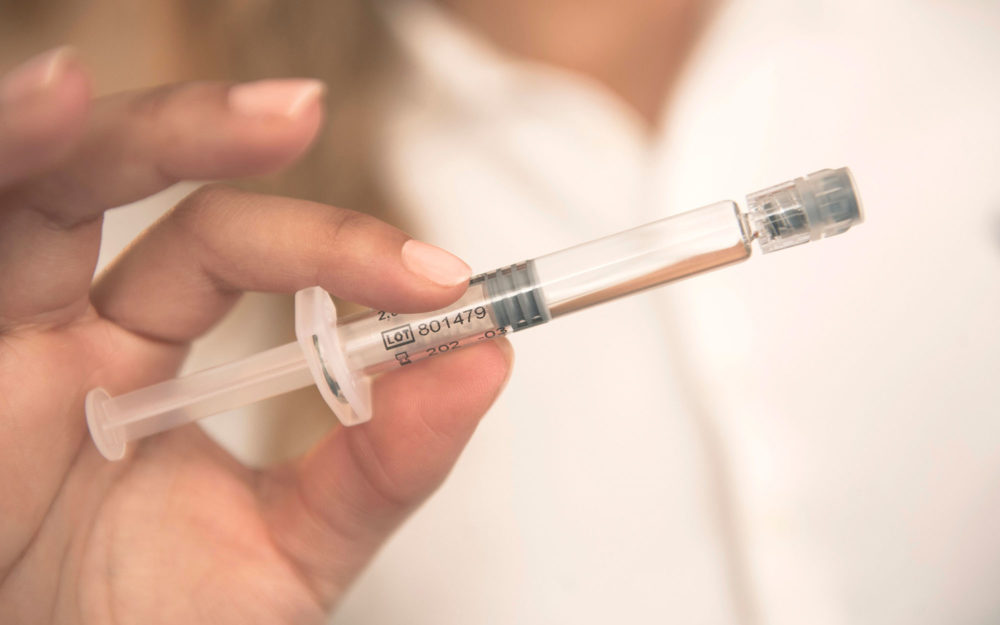
The procedure for infiltration therapy is minimally invasive and is performed on an outpatient basis. Using a fine needle, anti-inflammatory drugs or local anesthetics are specifically injected into the affected area. Depending on the indication, the infiltration can be carried out in joints, spine, tendons or muscle areas. Precise placement ensures a direct effect at the point of pain, which can quickly relieve the symptoms and reduce movement restrictions.
Advantages of infiltration therapy:
Rapid pain relief: Effective directly at the affected area
Minimally invasive: No surgical intervention required
Improved mobility: Painful restrictions are reduced
Targeted treatment: Fewer side effects than systemic painkillers
Can be performed on an outpatient basis: No long recovery period necessary
Infiltration therapy offers an effective way to treat pain in the musculoskeletal system in a targeted manner, thereby sustainably improving the quality of life. Depending on the individual situation, the therapy can be carried out as a one-time treatment or in several sessions to achieve long-term freedom from symptoms.
Effective pain therapy in Vienna with targeted infiltration – gentle, precise and fast-acting.
Frequently Asked Questions (FAQs) about infiltration therapy in Vienna
What is infiltration therapy and how does it work?
Infiltration therapy is a targeted pain treatment in which anti-inflammatory drugs or local anesthetics are injected directly into the affected area of the musculoskeletal system. This directly treats the source of the pain, leading to rapid relief and improved mobility. This method is often used for joint, back, tendon and muscle complaints.
When is infiltration useful?
An infiltration can be used for chronic or acute pain in the musculoskeletal system, especially if conservative measures such as physiotherapy or painkillers are not sufficiently effective. Typical areas of application are:
- Arthritis-related pain (knee, hip, shoulder)
- Disc problems and spinal complaints
- Tendonitis (e.g. tennis elbow)
- Bursitis
- Back and neck pain due to muscle tension
How does an infiltration work?
Infiltration therapy is carried out on an outpatient basis and only takes a few minutes. After thorough disinfection, a fine needle is inserted specifically into the affected region. If necessary, the infiltration can be carried out under ultrasound or X‑ray control to ensure precise placement of the injection. The patient can then usually be mobile again immediately.
What medications are used in an infiltration
Depending on the type of complaint, various active ingredients can be injected:
- Local anesthetics for rapid pain relief
- Cortisone preparations for long-term anti-inflammatory effects
- Hyaluronic acid to improve joint function
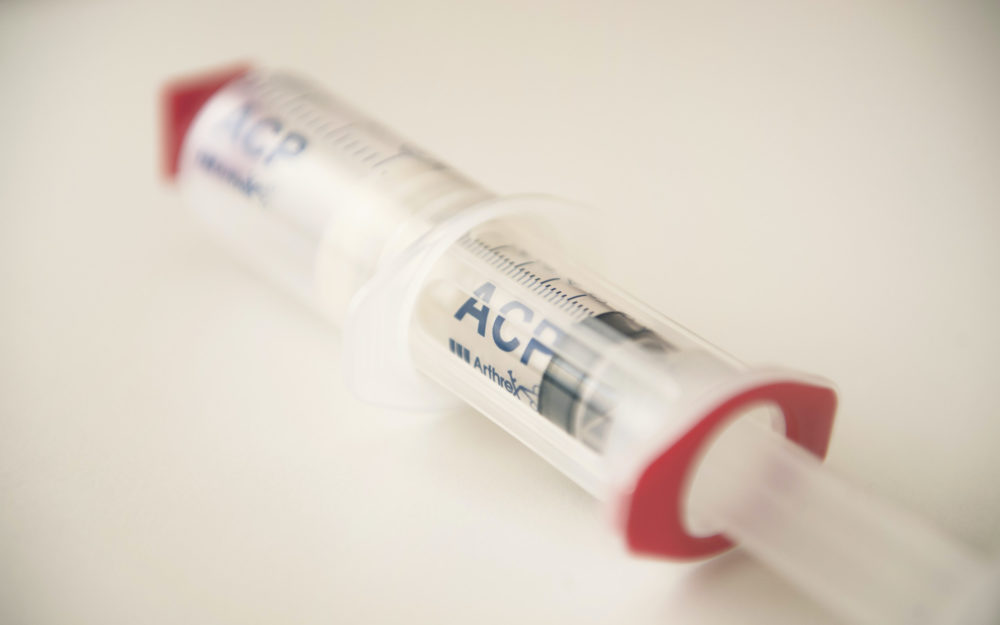
- Biological regeneration therapies (e.g. ACP, PRP) to promote healing
How quickly does an infiltration work and how long does the effect last?
The effect often occurs shortly after the injection, especially if it contains a local anesthetic. Cortisone infiltrations usually develop their full effect within a few days and can last for weeks or months. With biological therapies such as ACP, the regenerative effect can increase over a longer period of time.
How often can infiltration therapy be carried out?
The frequency of infiltrations depends on the individual diagnosis. In many cases, a single injection is sufficient to significantly alleviate the symptoms. If necessary, infiltrations can be repeated in several sessions at intervals of a few weeks.
Are there any risks or side effects with infiltration therapy?
Infiltration therapy is a safe and minimally invasive procedure. Occasionally, slight redness, swelling or a temporary feeling of pressure may occur at the injection site. Serious side effects are rare. With cortisone injections, excessive use should be avoided as this can attack the cartilage in the long term.
Can an infiltration replace an operation?
In many cases, an infiltration can help to delay or even avoid an operation. However, if there is advanced joint wear or structural damage, surgery may be the better long-term solution. Individual medical advice is crucial.
What should be considered after an infiltration?
After an infiltration, the treated area should be rested for a few hours. In the first 24 hours, it is advisable to avoid intense stress or sporting activities. If necessary, a cooling pad can help to relieve slight swelling or feelings of pressure.
Can infiltration therapy be combined with other treatments?
Yes, infiltrations can often be combined well with physiotherapy, manual therapy, or other pain management measures. A holistic treatment strategy can help to reduce pain in the long term and improve mobility.