Longevity of Hip & Knee Replacements | Dr. Kasparek
Longevity of Hip & Knee Replacements: What you should know
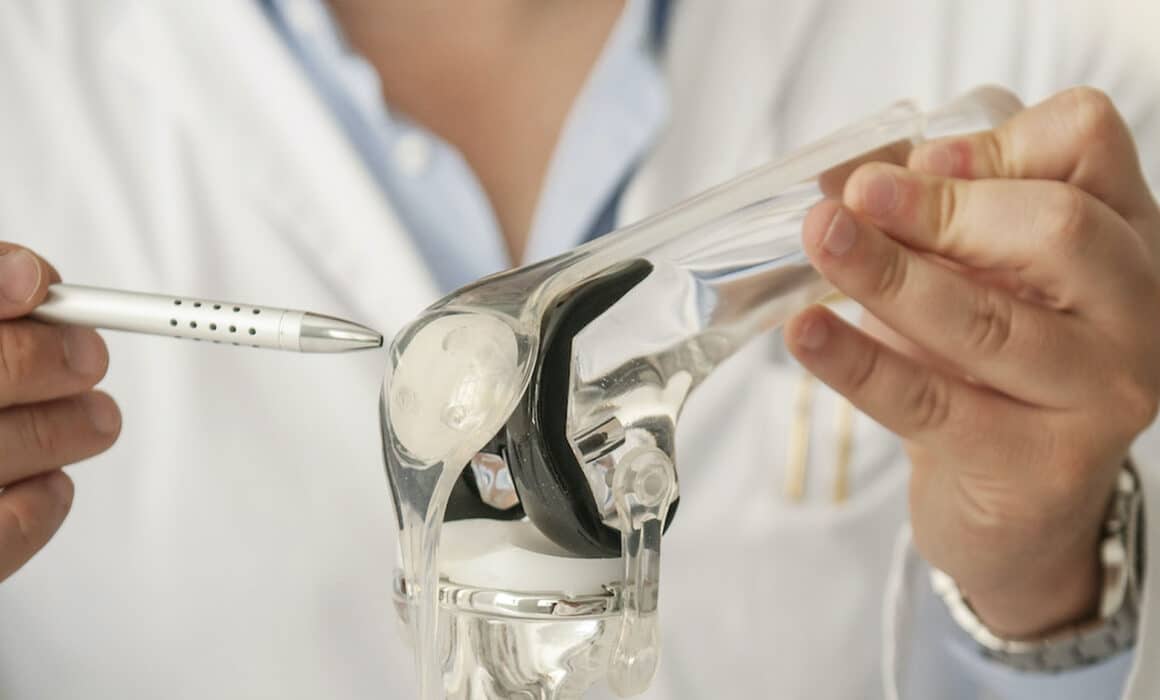
The question of the longevity of artificial joints, such as hip and knee joints, concerns many patients before and after surgery. Modern implants are highly developed medical products specifically designed for longevity and resilience. Nevertheless, several factors can influence the lifespan of an artificial joint. In this article, you will learn how long hip and knee replacements typically last, which factors influence their longevity, and how you can extend the lifespan of your implant.
Longevity of Hip and Knee Replacements and Scientific Findings
Advances in prosthetic technology and improved surgical methods contribute to a very high longevity. Current studies show that the
Average Longevity of Hip Replacements
Modern hip replacements have a longevity of 15 to 25 years. In many cases, they can function even longer, especially in older patients who are less active.
Source: www.thelancet.com
Average Longevity of Knee Replacements
For knee replacements, the average longevity is similarly high. Around 90% of knee replacements last at least 15 years, many even 20 years or more.
Source: www.thelancet.com
Today, hip and knee replacements are very durable and offer many people a significantly improved quality of life. With proper preventive care, a healthy lifestyle, and regular check-ups, you can positively influence the lifespan of your prosthesis.
Factors Influencing Longevity
The longevity of hip and knee replacements depends on various factors:
- Implant Quality
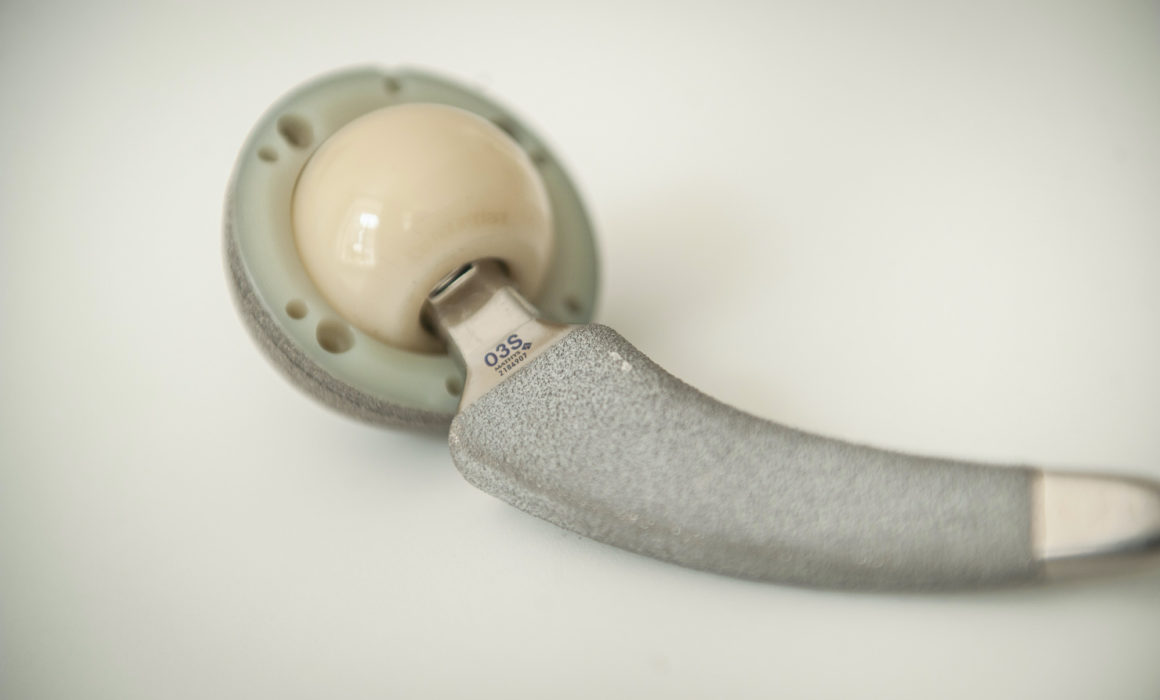
Modern materials such as titanium, ceramics, and high-density plastics contribute to making prostheses more durable and resilient. - Body Weight
A higher body weight places greater stress on the artificial joint and can accelerate wear. Weight reduction and a healthy lifestyle are therefore important measures. - Activity
While moderate activities like walking or cycling are good for the joints, high-impact sports such as jogging or skiing can shorten the lifespan of the prosthesis. - Correct Implant Positioning
The surgical technique and the precise placement of the prosthesis play a crucial role in its function and longevity. Choosing an experienced surgeon is of critical importance here. - Individual Factors
Age, bone density, general health status, and adherence to follow-up care measures also influence the lifespan of an artificial joint.
Joint replacement can significantly improve quality of life, but proper aftercare is crucial. Schedule regular check-ups to monitor the function of your implant.
An artificial joint is more than just a replacement – it is the chance for a new, pain-free life.
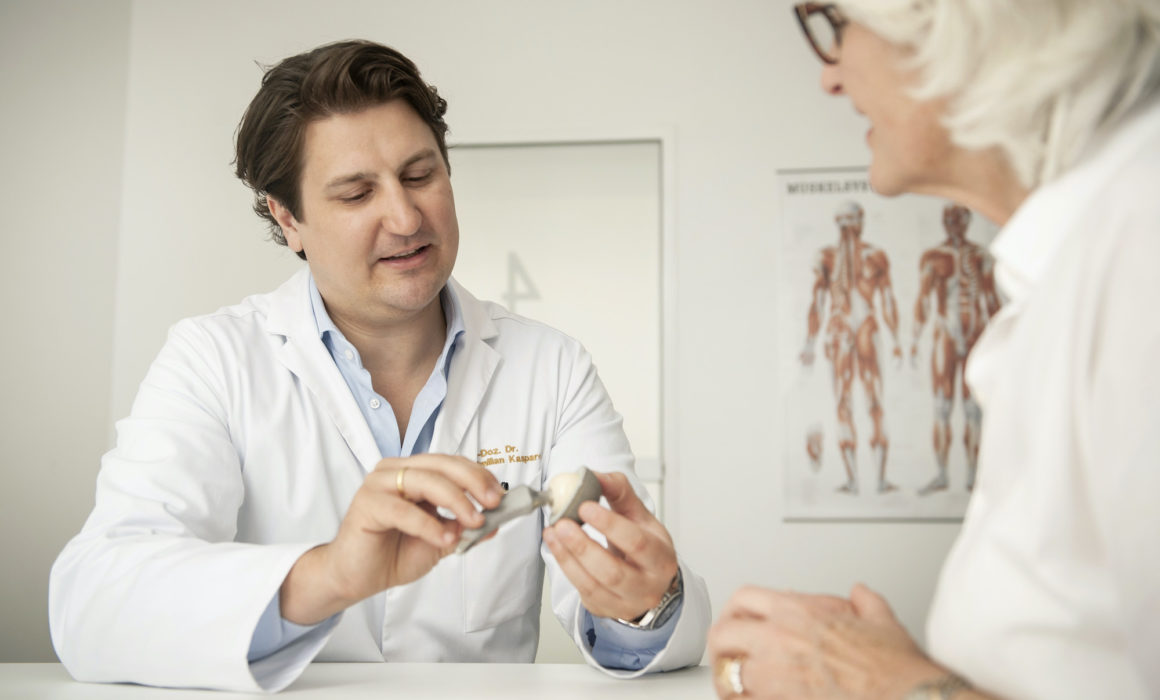
Priv.-Doz. DDr. Maximilian Kasparek, Endoprosthetic Surgeon
Tips for Extending the Lifespan of Your Prosthesis
To maximize the lifespan of your artificial hip or knee joint, you should observe some basic tips:
Regular Check-ups: Undergo regular preventive examinations to ensure that your prosthesis shows no signs of wear or loosening. Regular check-ups increase the longevity of your prosthesis and allow for early interventions in case of problems.
Weight management: A healthy body weight relieves the artificial joint and reduces wear. Excess weight can put additional pressure on the prosthesis and shorten its lifespan. A balanced diet and regular exercise help to maintain a healthy weight.
Exercise and sports: Choose joint-friendly sports such as swimming, cycling, or yoga to minimize stress on the joint. These activities promote mobility and strengthen the muscles without putting excessive strain on the prosthesis.
Avoid Overload: Avoid sudden, heavy loads that can overload the joint. Lift heavy objects with caution and avoid activities that could lead to abrupt movements.
Healthy diet: Ensure a calcium-rich diet to promote bone health and support the stability of the prosthesis. Foods such as dairy products, green leafy vegetables, and nuts are good sources of calcium.
What to do if the prosthesis is worn out and causes pain?
If a hip or knee prosthesis wears out or loosens over time, excellent revision surgeries are available today. The old prosthesis is removed and replaced with a new one. It is important to discuss complaints such as pain or instability early on in order to initiate appropriate measures.
Priv.-Doz. DDr. Maximilian Kasparek, MSc, endoprosthesis surgeon with extensive expertise in hip and knee replacement.
Over the past decades, endoprosthetics has made remarkable progress. New materials, improved surgical techniques, and personalized treatment approaches characterize modern joint replacement surgery.
Priv.-Doz. DDr. Maximilian Kasparek, MSc, Priv.-Doz. DDr. Maximilian Kasparek, MSc, is an experienced orthopedist and traumatologist specializing in minimally invasive hip and knee prostheses. His comprehensive training includes a Research Fellowship at the renowned Hospital for Special Surgery in New York City and a Guest Fellowship at the Charité – Universitätsmedizin Berlin. He is currently a senior physician at the Department of Orthopedics and Traumatology at the Evangelisches Krankenhaus Wien.
Dr. Kasparek relies on state-of-the-art, minimally invasive surgical methods that enable precise placement of the implants and protect the surrounding tissue. His use of robot-assisted techniques for knee replacement is particularly noteworthy, as they allow individual adaptation of the prostheses to the patient’s anatomy, thus improving the functionality and longevity of the implants.
I am available for individual consultation and treatment in my private practice in the 18th district of Vienna. Make an appointment to clarify your questions and discuss the best possible therapy.
If you enjoyed this article, you might also be interested in other posts from our blog.