
Hip replacement with bikini incision or conventional method?
Question: Mr. DDr. Kasparek, what exactly is the bikini incision and how does it differ from the conventional method?
DDr. Kasparek: The bikini incision is a special incision that runs along the natural skin tension lines in the groin area. It is used in conjunction with the AMIS technique (anterior minimally invasive surgery), which enables particularly gentle implantation of a hip replacement. The conventional method is usually performed with a longitudinal incision.
The main difference is that with the bikini incision, the scar remains cosmetically inconspicuous due to its placement in the groin area. In addition, the bikini incision in conjunction with the AMIS technique (anterior minimally invasive surgery) offers the advantage that the muscles are spared, which accelerates healing and ensures optimal postoperative function.

Conventional method

Bikini incision
Question: Which patients particularly benefit from the bikini incision?
DDr. Kasparek: Younger, athletically active patients, especially women, benefit cosmetically from the method, as the scar remains well hidden in the groin area.
However, not everyone is suitable for the bikini incision. In people with a complex anatomical structure, it may be useful to resort to a conventional method.
Question: Are there differences in the duration of the operation?
DDr. Kasparek: The duration of the operation is comparable for both methods and is usually between 60 and 90 minutes. However, the bikini incision requires a high degree of surgical precision because the access is narrower.
Question: Which method offers better prosthesis stability?
DDr. Kasparek: Since the bikini incision, in conjunction with the AMIS technique (anterior minimally invasive surgery), leaves the muscles intact, the natural joint stability is maintained. This reduces the risk of dislocation and allows earlier weight-bearing on the joint.
Question: What are the differences in postoperative rehabilitation?
DDr. Kasparek: One of the biggest advantages of the bikini incision in conjunction with the AMIS technique (anterior minimally invasive surgery) is early mobilization. Many patients can take their first steps on the day of the operation. Complete healing and return to the usual everyday movement often occurs within 6 weeks.
Question: What about scar healing and visual appearance?
DDr. Kasparek: With the bikini incision, the scar is about 8–10 cm long and runs transversely in the groin crease. As a result, it remains visually inconspicuous and can be concealed by underwear or swimwear.
For scar care, I recommend special scar ointments, silicone plasters and gentle massages to improve the appearance. Direct sun exposure should be avoided in the first year after the operation.
Question: Are there differences in the hip prosthesis used?
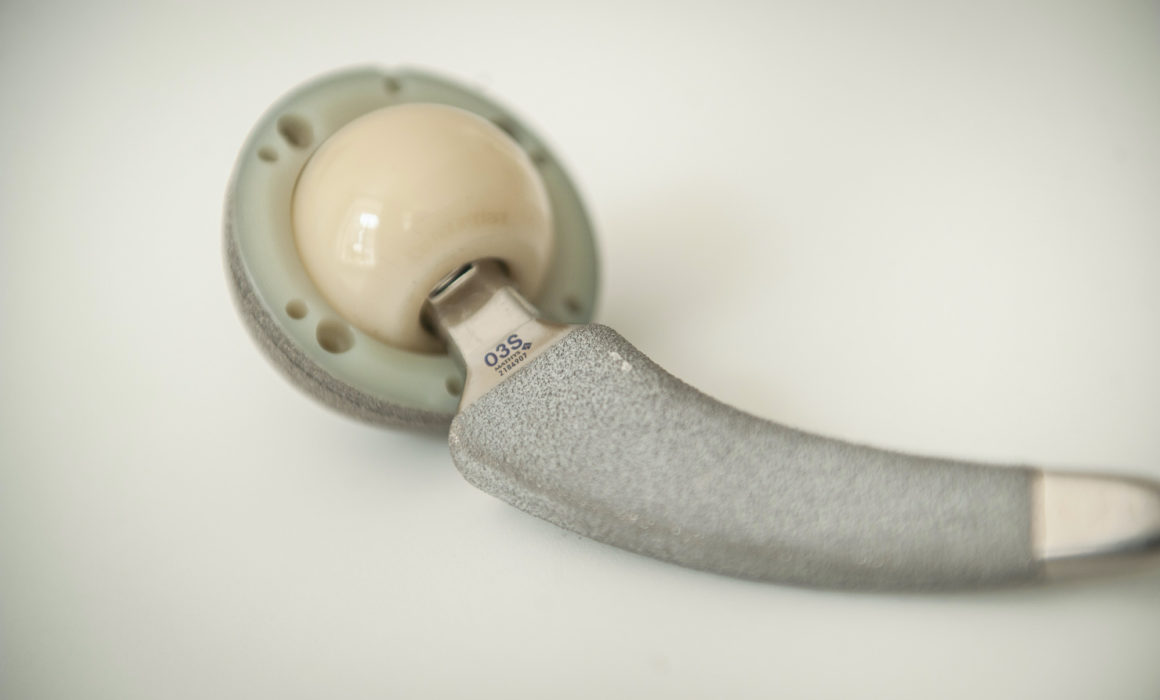
DDr. Kasparek: No, the hip prostheses used are identical, regardless of the method. The choice of implants depends on the individual anatomical conditions of the patient.
Question: What is the long-term prognosis for patients who opt for the bikini incision?
DDr. Kasparek: No, the hip prostheses used are identical, regardless of the method. The choice of implants depends on the individual anatomical conditions of the patient.
Conclusion: Which method is the better choice?
DDr. Kasparek: Both methods have their justification: The bikini incision offers cosmetic advantages, while the conventional incision is the better choice in certain cases – for example, in complex anatomical conditions.
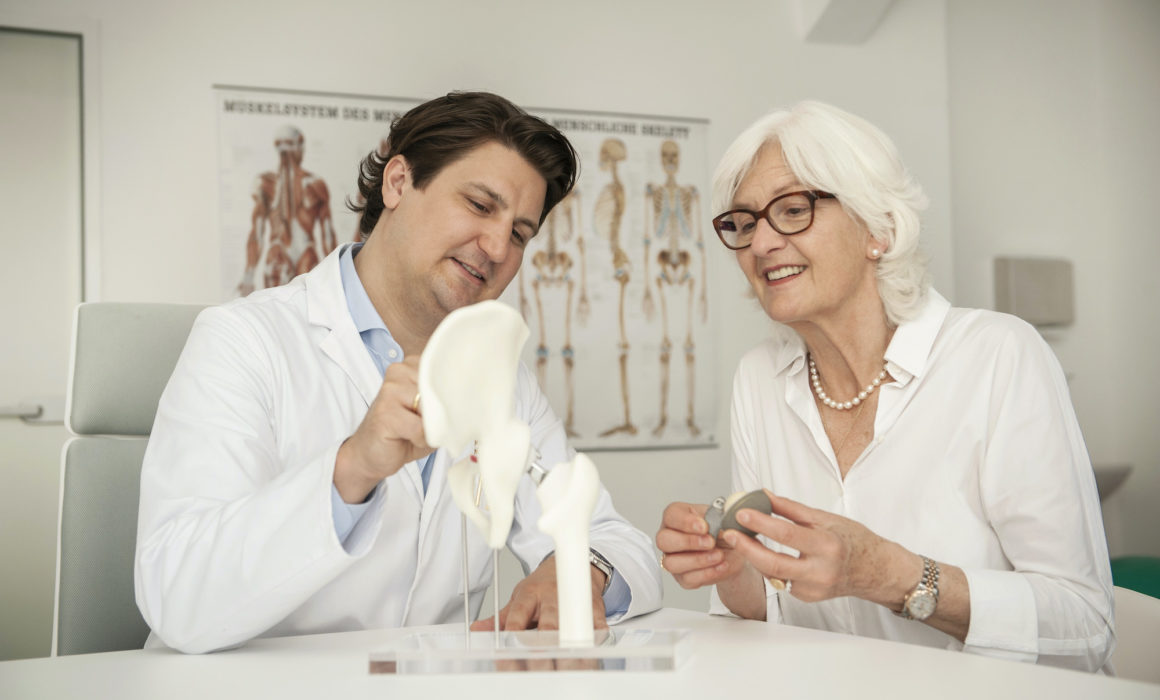
Each patient is unique, so I recommend a detailed consultation to find the best method for each individual. If you have any questions or would like a consultation, please do not hesitate to contact me.
If you enjoyed this article, you might also be interested in other posts from our blog.