Skiing & Winter Sports with Knee or Hip Replacement | Tips
Skiing and Winter Sports with Knee or Hip Replacement: What is Possible?
A well-functioning new joint is no reason to avoid winter sports. It is important to listen to your own body and realistically assess what is possible.
Many people are apprehensive about the prospect of needing an artificial joint – or they simply lack a clear understanding of how the surgery proceeds. Therefore, this article aims to provide patients with a realistic, reassuring picture: What can I expect? What can I do myself? And what does the journey after surgery truly feel like?
Dr. Kasparek, you are both a prosthesis specialist and a ski instructor. Do you generally consider winter sports with a knee or hip replacement to be possible – or rather risky?
I see winter sports after knee or hip replacement as a clearly realistic possibility — under certain conditions. Stable muscles and reasonable preparation are important. With moderate stress and adapted technique, many affected people – perhaps not quite at competition level as before, but certainly with joy and safety – can be active.
Many people are afraid after the operation that they will never be able to ski or cross-country ski again. How do you assess this concern?
This concern is understandable, but often exaggerated. Modern endoprosthetics — with precise implantation and protection of muscles — allows very good mobility and stability. If the healing is successful, the rehabilitation has gone well and there are no other risk factors — then there are many patients who are quite suitable for skiing or touring. Realistic expectation is important: Technically demanding winter sports, such as steep slopes or very uneven ground, should rather be assessed with caution.
Which winter sports do you think are most suitable for prosthesis wearers — and which are less so?
In particular, joint-friendly variants are a good choice: cross-country skiing, snowshoeing, gentle piste tours in moderate terrain. Ice skating is also possible – but with limitations: Those who have already stood safely on the ice, have a good balance and move carefully can certainly find joy in ice skating again. I would rather advise against it for beginners or those with gait instability, as the risk of falling is increased.
Tobogganing can also be an option – but rather in controlled tracks with little gradient, not in steep, unsecured terrain. Important is a stable sitting position, well-functioning braking technique and the avoidance of abrupt movements when getting on or off.
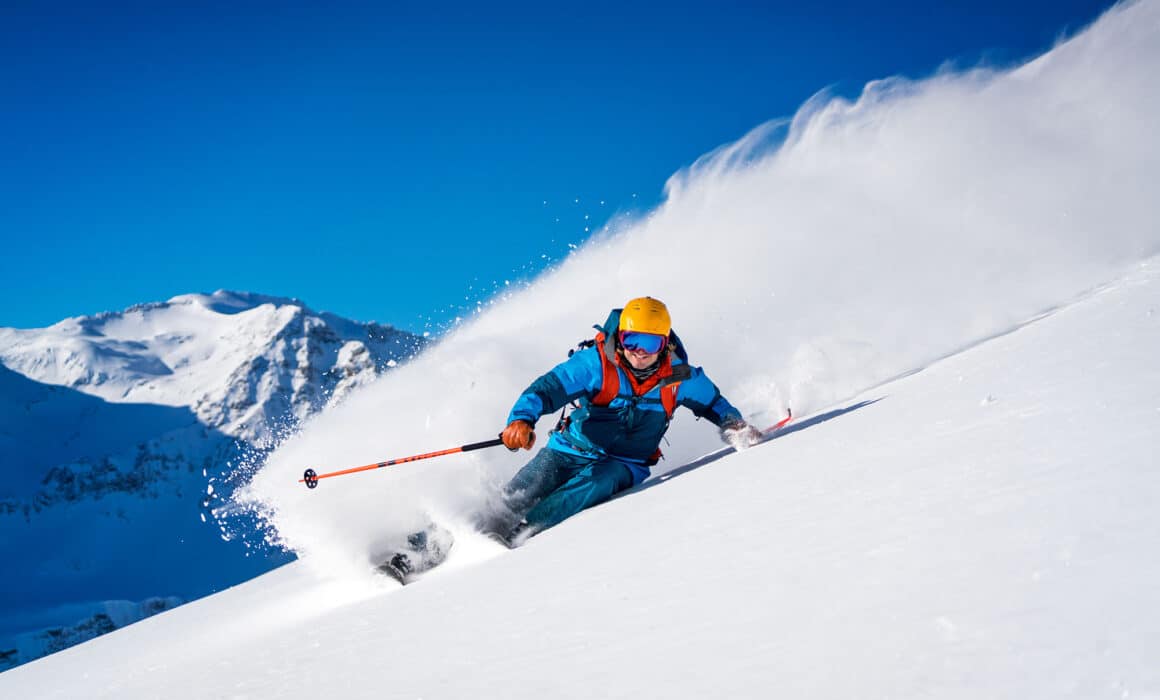
Skiing with controlled slopes, moderate speed and adapted technique is possible — with good preparation. Risky are steep descents, rough slopes, jumps or very uneven ground — I advise caution or alternatives there.
When, in your opinion, can you get back on skis or cross-country skates after a knee or hip replacement?
That depends on several factors: healing process, muscle building, joint stability and consultation with the treating doctor. As a rough guideline: If the physiotherapist assesses the knee or hip as stable, is sufficiently built up muscularly and there is no pain — then a cautious re-entry is often possible. However, I recommend starting the first days in the snow with easier tours, testing technique and slowly increasing the load.
What advice do you give to sporty patients who want to get back on the slopes as soon as possible?
Patience, good preparation and realistic assessment. Strong leg and core muscles, good balance and coordination are important — ideally via a targeted training program before the season. Technique is almost more important than strength: A clean posture, clean skiing, conscious knee and hip movement and avoidance of excessive rotational or compressive stress are crucial.
Are there certain conditions on the slopes or during winter sports where prosthesis wearers should be particularly careful?
Yes — uneven or icy ground, heavy wet snow, breakable crust, steep descents or irregular terrain when touring increase the risk. Even prolonged stress without breaks can be problematic. I recommend paying attention to good equipment — firm, well-fitting ski or cross-country ski boots, possibly stock-standing supports for balance, and consciously choosing simple terrain.
How important is physiotherapeutic aftercare and targeted training before re-entering winter sports?
Very important — that is, in my view, one of the most underestimated prerequisites. Muscle building (quadriceps, thigh muscles, core), balance and coordination training, familiar movement patterns and stable joint guidance are crucial. I recommend targeted training over weeks, not just shortly before the season — this improves safety and reduces the risk of incorrect loading or avoidable overloads.
Have you personally experienced cases where patients have successfully returned to winter sports after a prosthesis?
Yes, many. I particularly remember a patient who, after a hip replacement, enjoyed ski tours again with joy and safety after years — with consideration, adapted technique and clear planning. Such moments show me that endoprosthetics does not mean the end of sporting activity — but enables a new beginning with conscious and moderate stress.
What do you say to people who are still unsure – before or after the operation — and want winter sports?
I say: Talk honestly about your goals, but also about your expectations. A prosthesis can make many things possible — but it also requires mindfulness. With good planning, realistic goals and professional support, winter sports can become part of your life again. It’s not about achieving performance like before — but about regaining joy of life, mobility and safety.
What message would you like to give at the end to everyone who is considering: Hip and knee prosthesis and winter sports – does that fit together?
It fits – with reason, patience and respect for the new joint. Those who are willing to prepare, remain realistic and listen to their body have a good chance of finding joy in winter, movement and sport again. With modern prostheses and expert care, much is possible – not immediately world cup level again, but a fulfilled, active life.
Do you have an artificial knee or hip joint – and are you wondering whether winter sports are possible for you?
For individual advice and support, I am happy to be available in my private practice in the 18th district of Vienna. Make an appointment to discuss your sporting goals and find the best way together.
If you enjoyed this article, you might also be interested in other posts from our blog.