Ski injury: Meniscus tear after sport & meniscus refixation
Ski injury: What to do for a meniscus tear during a winter vacation?
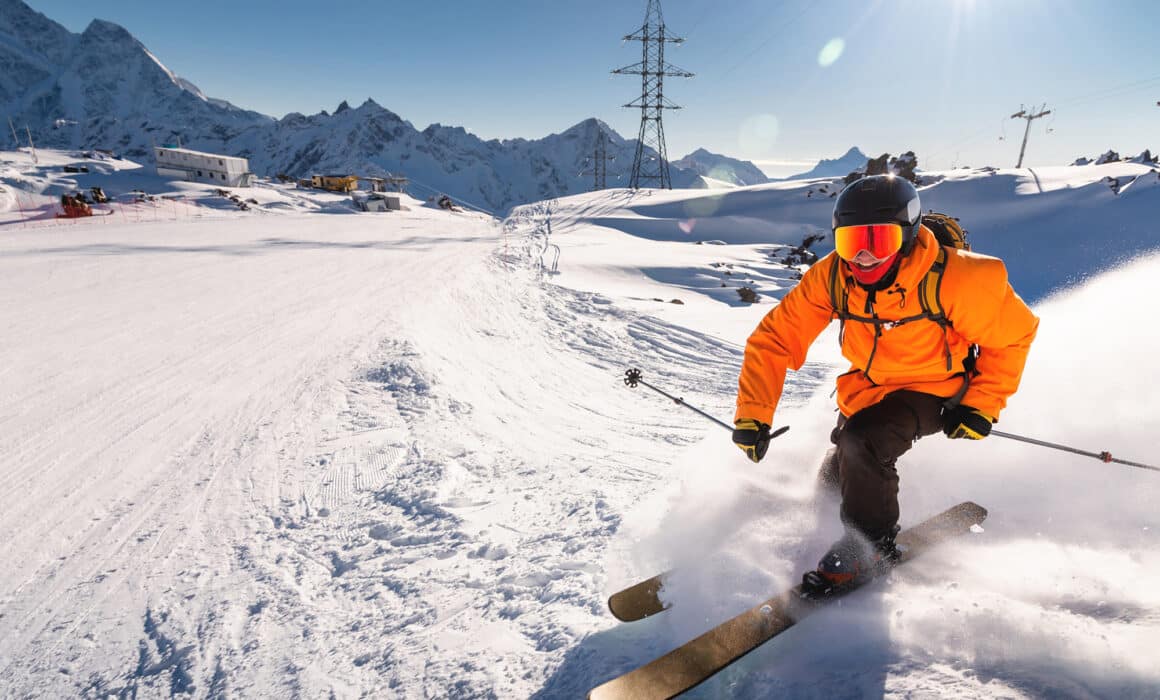
A sudden, sharp pain in the knee while skiing, snowboarding, or cross-country skiing may indicate a meniscal tear. The meniscus is particularly at risk during rotational movements or when twisting the knee joint on the slopes.
A meniscal tear is one of the most common knee injuries following a ski accident – a typical skiing injury, as the knee joint is exposed to enormous stress in sports such as skiing and snowboarding. The meniscus can tear, especially during rotations, jumps, abrupt changes of direction, or falls. The ski boot fixes the ankle joint, which means that the forces acting on it are transmitted to the knee with greater intensity. This can lead to tears in the sensitive meniscus – especially if the knee is also bent during a twisting movement.
But what to do if the pain occurs in the middle of a winter vacation on the slopes? Should you ski down the mountain or rather be picked up? Have surgery immediately or not? And what happens after the vacation?
First aid on the slopes: Stay calm and react correctly to a ski injury to the knee meniscus tear
Anyone who suffers a meniscal tear while winter sports usually notices a sharp pain immediately, sometimes accompanied by a “snapping” or “pinching” in the knee. Often there is swelling and the knee can no longer be fully extended or loaded.
You should do the following:
- Stop immediately and relieve the knee
- Do not continue if the knee is unstable or very painful
- Call the slope service or rescue service to avoid unnecessary deterioration
- Cool the knee, elevate it and do not put any more weight on it
In the hospital: Have a meniscus tear operated on immediately or not?
After the initial treatment (often in an accident and emergency department near the ski area), an MRI is usually performed to assess the meniscus tear precisely. Not every tear needs to be operated on immediately. Conservative treatment with physiotherapy, painkillers and rest is often sufficient.
An operation is only necessary immediately if:
- the knee is blocked (extension or flexion inhibition)
- there is severe instability
- there are accompanying injuries (e.g. cruciate ligament)
In most cases, the operation can be planned after the vacation.
Back from winter vacation: What happens at home?
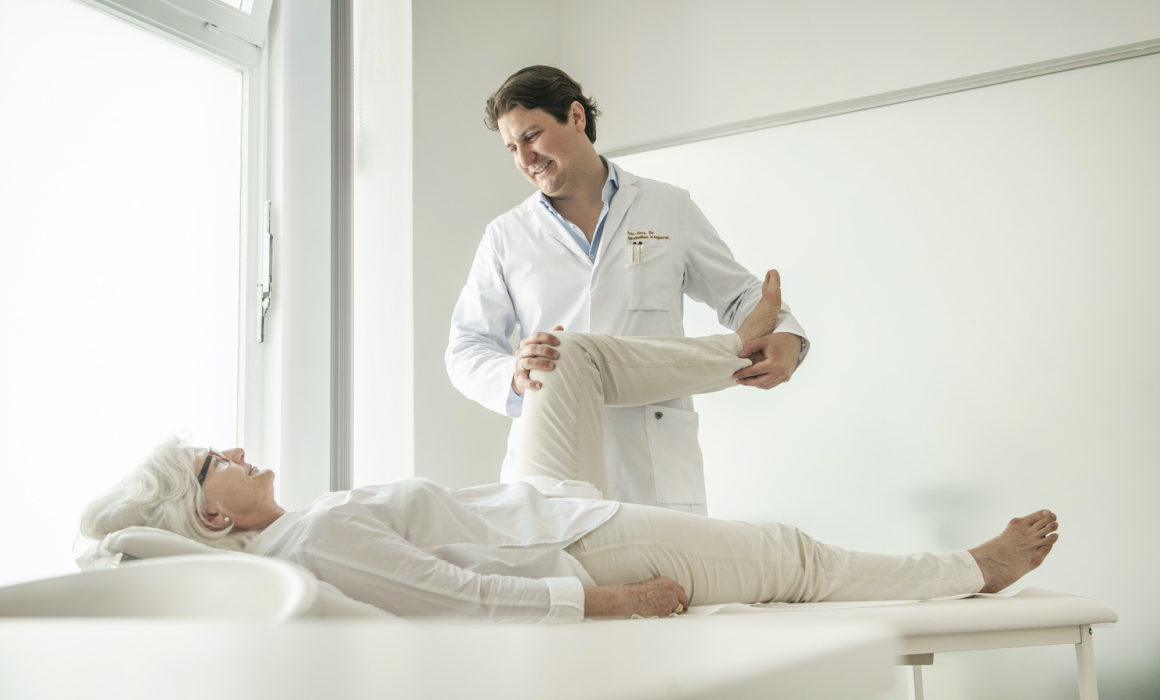
After returning home, the knee should continue to be rested and cooled. A visit to the orthopedist is highly recommended in order to obtain a second opinion and plan the next steps.
The possible treatment options for meniscus tear include:
- Conservative therapy: physiotherapy, muscle building, rest
- Arthroscopic surgery or meniscus refixation if symptoms persist or increase
What is a meniscus refixation
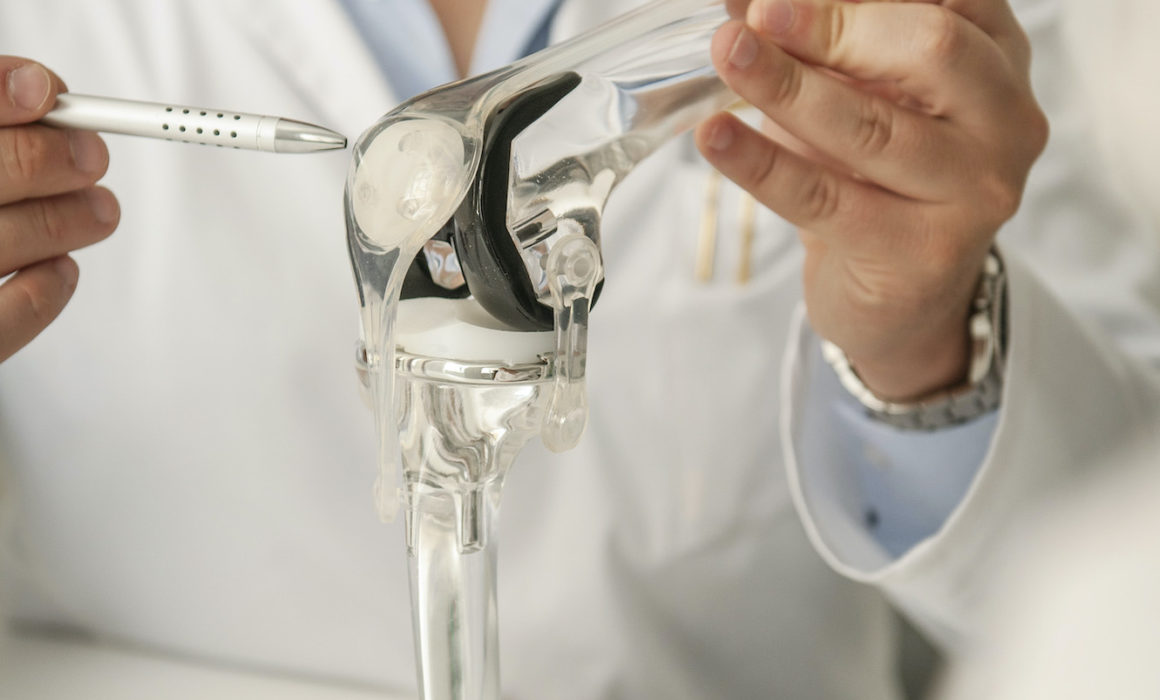
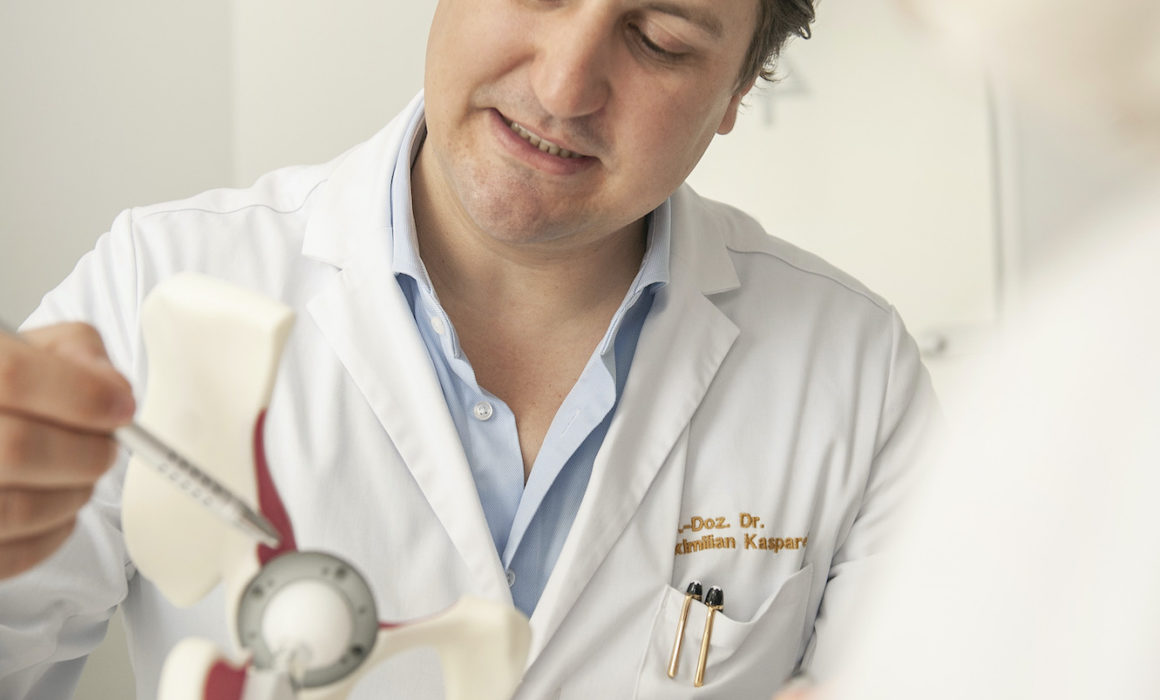
A possible surgical goal for a meniscal tear is the so-called meniscus refixation – in this procedure, the torn meniscus tissue is not removed, but sewn back to its original location. This technique is primarily used when the tear is fresh and is located in a well-vascularized area near the capsular attachment. Such tear shapes have the best chances of healing, especially in younger and athletically active patients whose tissue is still highly regenerative.
When is meniscus refixation useful?
✔ Fresh tear (within a few weeks)
✔ Tear is close to the capsule attachment (well-supplied zone)
✔ Especially for young, active patients
✔ Goal: Preservation of natural meniscus function
The central goal of meniscus refixation is to preserve the natural meniscus – and thus also its important biomechanical function: As a shock absorber, the meniscus protects the articular cartilage from overload. In contrast to partial meniscectomy (meniscectomy), in which part of the tissue is cut out, the full buffer and stability function of the meniscus is largely retained during refixation.
| Meniscus refixation | Partial meniscectomy | |
|---|---|---|
| Goal | Preservation of the meniscus | Removal of the damaged part of the tissue |
| Healing chance | High for fresh tears in a well-supplied area | Rapid pain reduction, but less long-term protection |
| Aftercare | Slightly longer rehab required | Shorter rehab, but more stress on the joint |
| Long-term prognosis | Lower risk of osteoarthritis | Higher risk of osteoarthritis due to lack of cushioning |
| Recommended for | Young, active patients | Older patients or worn menisci |
Conclusion: Ski injury: React correctly to a meniscus tear
A meniscus tear after a skiing accident is unpleasant, but no reason to panic. With the right reaction on the slopes, professional diagnostics on site and a clear treatment plan after your return, there is a good chance that the knee will be fully resilient again – whether with or without surgery.
Frequently asked questions (FAQ)
I fell while skiing and have knee pain – can I still ski down to the valley myself?
Only if the knee is stable and there is no severe pain or blockages. If in doubt, call the slope service.
Do I have to have surgery immediately in the ski resort if a meniscus tear is diagnosed?
Only in certain exceptional cases. Immediate surgery is only necessary if the knee is blocked, there is severe instability or other structures have been injured (e.g. cruciate ligament). In most cases, initial treatment on site is sufficient and the surgery can be planned at your leisure after your return.
What happens if I don’t have the meniscus tear operated on?
Smaller, stable tears often heal well with conservative therapy. The prerequisite is a consistent approach with physiotherapy, targeted muscle building and medical supervision. It is important to have the diagnosis clarified by a doctor and to take the symptoms seriously.
How long does it take for my knee to be able to bear weight again after a meniscus tear?
The healing time depends on the tear and the form of therapy. Conservative treatment takes about 4–8 weeks; after an operation, rehabilitation can take several weeks to months. A customized rehabilitation plan is crucial.
What should I do when I get back home?
Continue to rest the knee, see an orthopedist early and plan physiotherapy.
Can I ski again after a meniscus tear and which sports are advisable after healing?
In many cases, yes. A return is possible after sufficient rehabilitation, with good muscles and technique.
Do you always feel a meniscus tear immediately?
Not always. Some only feel an unstable feeling or restricted movement.
What exactly does conservative therapy for a meniscus tear mean?
Rest, targeted physiotherapy, muscle building, possibly splint or bandage.
When can I go back to work after the operation?
Depending on the profession. Office work usually after a few days, physically demanding activities later.
Which home remedies help with a meniscus tear – and how long should you use them?
Cool with curd wrap, quark, cooling pad – 20–30 minutes, several times a day in the first days after the injury.
Have you injured your knee while skiing or playing sports, or do you suspect a meniscus tear?
In my private practice in Vienna, we will clarify the exact diagnosis and develop a therapy plan together.
If you enjoyed this article, you might also be interested in other posts from our blog.