

Getting Back on Your Feet After Hip Replacement: Tips and Exercises After Hip Surgery
When does mobilization begin after hip replacement surgery?
If everything goes according to plan, mobilization usually begins on the day of surgery or the day after. Under supervision, patients stand up for the first time and take a few steps using appropriate walking aids.
After minimally invasive hip surgery, it is often possible to put weight on the leg early on. However, this does not mean that all movements and activities are permitted right away. Wounds, soft tissues, muscles, and bones need time to heal. Balance and gait must also return to normal.
- Getting up and sitting down safely
- walk short distances with walking aids
- Apply controlled weight to the operated leg
- Navigating Stairs with Guidance
- Perform basic exercises on your own
Why is early movement important after hip surgery?
Controlled movement promotes blood circulation and helps prevent excessive loss of muscle strength. It also helps patients relearn movement patterns and regain confidence in the operated leg.
It’s not about covering the greatest possible distances or increasing your pace quickly. What’s more important is regular, short exercise sessions, a safe gait, and adequate rest.
Important:
If pain becomes significantly worse during or after an exercise, reduce the intensity; if the discomfort persists, consult a doctor or physical therapist.
Walking After Hip Replacement: Safety Before Speed
Walking aids provide stability during the initial phase and take the weight off the operated leg when necessary. The appropriate walking aid and the duration of its use are determined on an individual basis.
- Walk upright and take even steps.
- Place your foot on the ground in a controlled manner.
- Avoid sudden changes in direction.
- Turn your entire body in small steps instead of twisting your upper body over your stationary leg.
- Gradually increase the distance you walk.
- Use walking aids until you can walk safely without a noticeable limp and have been cleared to do so.
Discontinuing the use of crutches too soon can lead to an abnormal gait. The goal is not to walk without assistive devices as quickly as possible, but to walk in a controlled and as symmetrical a manner as possible.
Exercises After Hip Surgery
The following exercises are often part of early rehabilitation after hip replacement surgery. They are intended as a general guide. Perform only the exercises that your treatment team has approved for you.
1. Foot pump
While lying down or sitting, slowly move both feet up and down at the ankle joint. This movement activates the calf muscles and promotes blood circulation.
2. Tense your thighs
Lie on your back with your legs extended. Gently pull your toes toward your body and carefully press the backs of your knees into the mat. Hold the tension briefly, then slowly release it.
3. Engage your glutes
While lying down or sitting, tighten both buttocks at the same time. Hold the contraction briefly without holding your breath, then relax again.
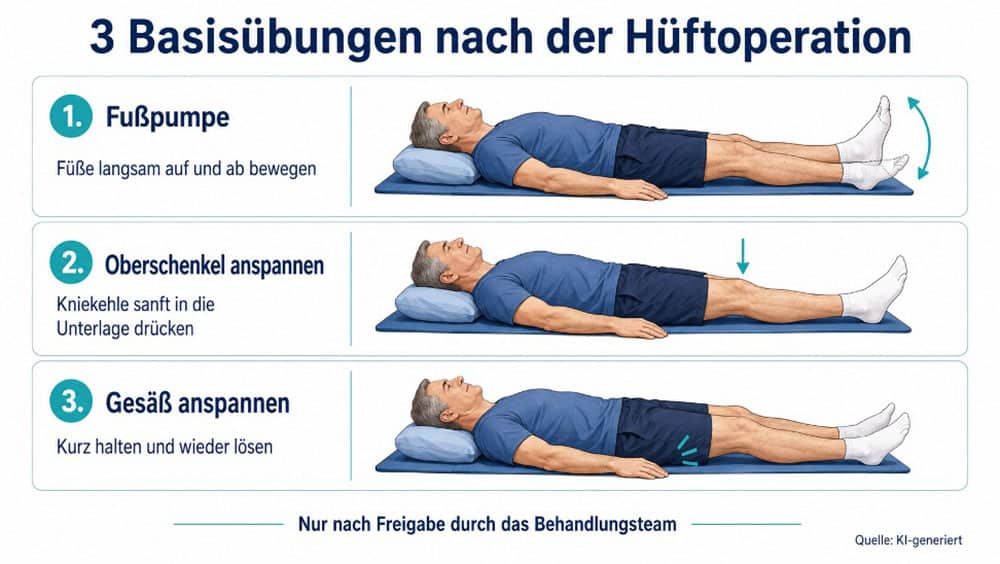
Figure 1: Three basic exercises for early mobilization. Image source: Generated by AI.
More guided exercises
Depending on the procedure and the healing process, additional exercises may be added later, such as gently pulling the heel toward the body, moving the leg sideways, and exercises performed while standing. The range of motion, number of repetitions, and intensity are tailored to each individual.
How often should the exercises be done?
Often, several short exercise sessions spread out throughout the day are more beneficial than one long, strenuous session. As a general rule, exercises should be challenging but should not cause severe or prolonged pain. Significant swelling or a marked increase in discomfort may indicate that the intensity has been increased too quickly.
Getting Up and Sitting Down Safely
To begin with, use a sturdy chair that is high enough and has armrests. Slide toward the edge of the seat, place your feet firmly on the floor, and brace yourself against the armrests. Stand up in a controlled manner, and only reach for the crutches once you are standing securely. When sitting down, follow the steps in reverse order. Do not pull yourself up using the crutches.
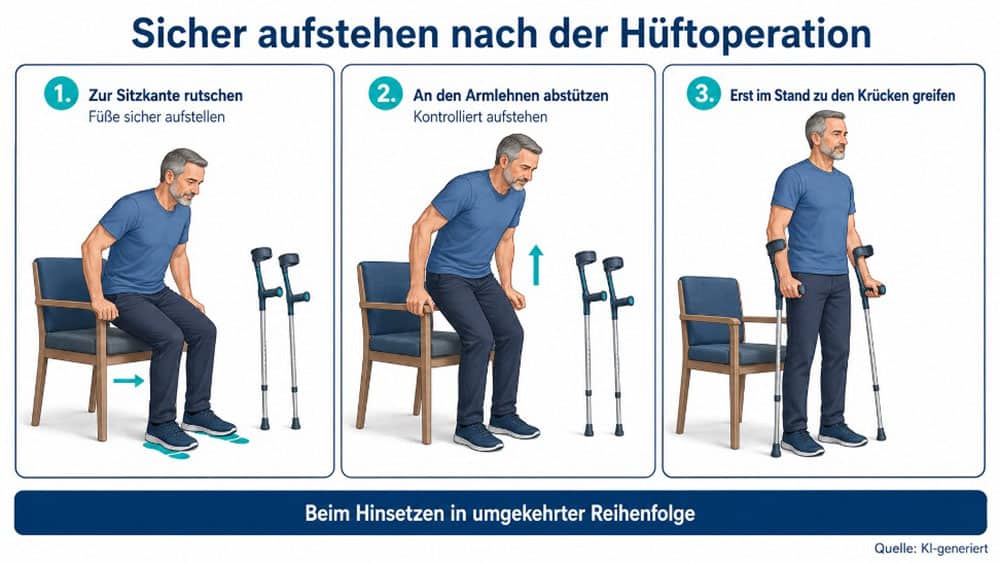
Figure 2: Standing up and sitting down in controlled steps. Image source: AI-generated.
Stair Climbing After Hip Surgery
Climbing stairs is usually practiced as part of physical therapy while still in the hospital. At first, it is done step by step, using a handrail or walking aids.
- When walking uphill, people usually start with the leg that hasn’t undergone surgery.
- When walking downhill, the walking aid and the operated leg usually lead the way.
- Hold on to the railing.
- Ask for a personal demonstration of how to use the equipment before you are discharged.
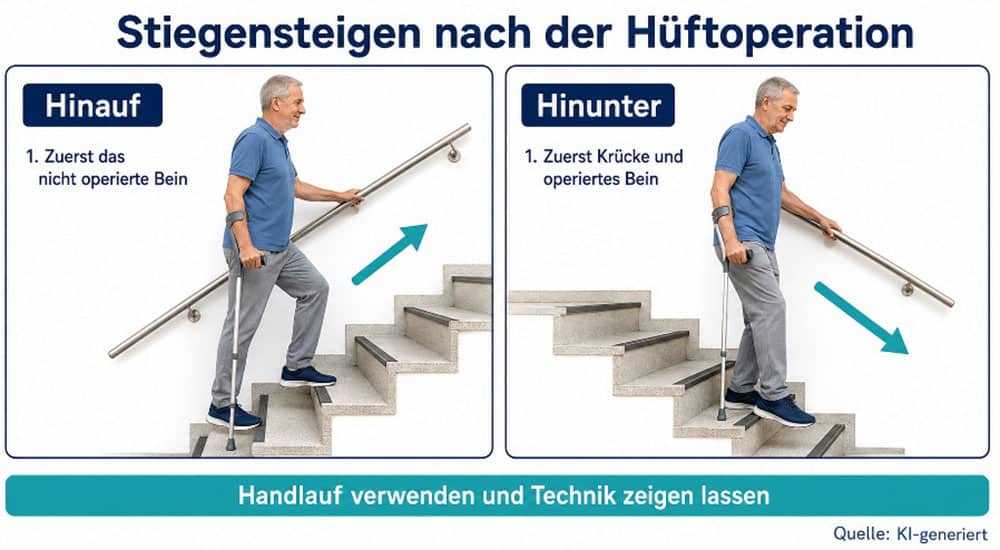
Figure 2: Basic principle of stair climbing. Source shown in the image: AI-generated.
Tips for Daily Life After Hip Replacement Surgery
- Remove loose rugs and other tripping hazards.
- Make sure there is good lighting, especially at night.
- Wear sturdy shoes with non-slip soles.
- Avoid low and very soft seating.
- When walking with crutches, do not carry anything in your hands.
- If necessary, use a backpack or a small shoulder bag.
- Be sure to take regular breaks.
Assistive devices may be helpful on a temporary basis for getting into the car, putting on shoes and socks, or using the shower and toilet. Guidance from a physical therapist or occupational therapist can make these activities easier.
What movements should be avoided after hip surgery?
Whether specific movement guidelines are necessary depends, among other things, on the surgical approach, the stability of the joint, and the individual’s risk. General restrictions for all patients are therefore not advisable.
During the early healing phase, it may be necessary to avoid extreme hip flexion, crossing your legs, or vigorous twisting movements. Your surgeon should determine on a case-by-case basis which specific restrictions apply to you and how long you should follow them.
“Mobilization following hip replacement surgery does not follow a rigid schedule. The key factors are a stable gait, a controlled increase in weight-bearing, and exercises tailored to the specific procedure and the individual’s healing process.” – Priv.-Doz. DDr. Maximilian Kasparek, MSc
How long does rehabilitation take after hip replacement surgery?
Many patients are able to walk short distances with walking aids within the first few days. Over the following weeks, walking distance, strength, and mobility gradually improve. It is not possible to make a general statement about when crutches will no longer be needed or when driving, work, or sports will be possible again.
- Surgical Procedures and Types of Prosthesis Anchoring
- Muscle Strength and Mobility Before Surgery
- Bone Quality and Comorbidities
- Wound Healing and the General Healing Process
- Physical Demands at Work and in Everyday Life
Full functional recovery can take several months. Progress should therefore be assessed not only based on the calendar but, above all, on the quality of movement, strength, and stability.
When should you seek medical advice?
Some swelling and pain at the incision site may be normal after hip surgery. However, the following symptoms should be evaluated by a doctor as soon as possible:
- sudden, worsening, or unusually severe pain
- marked redness, warmth, or fluid leakage from the wound
- Fever or a distinct feeling of illness
- Sudden, severe swelling in a leg
- Pain or tenderness in the calf
- sudden shortness of breath or chest pain
- A fall, noticeable misalignment, or sudden loss of weight-bearing ability
Emergency:
If you experience shortness of breath or severe chest pain, seek medical help immediately.
Personalized Care After Hip Surgery in Vienna
Postoperative care is an essential part of hip replacement surgery. At my private practice in Vienna, I monitor your recovery and discuss with you how you can gradually increase your activity level, physical therapy, and return to daily life in a way that’s tailored to your individual needs.
If your symptoms persist, if you are unsure about what movements are permitted, or if you would like a second opinion from a specialist, please schedule an in-person appointment.
Frequently asked questions (FAQ)
How soon after hip replacement surgery can you get out of bed?
If everything goes according to plan, the patient will often get out of bed for the first time on the day of surgery or the day after. This should be done under professional supervision.
When can I put my full weight on the leg that underwent surgery?
After an uncomplicated hip replacement surgery, the operated leg can usually bear full weight shortly after the surgery—initially with crutches and under the guidance of a physical therapist.
“Full weight-bearing” does not mean that you should start walking immediately without walking aids. In certain cases, only partial weight-bearing may be permitted temporarily, such as after additional surgeries or due to specific conditions of the bone. The surgeon’s specific instructions are therefore decisive.
How long do you need to use crutches after hip replacement surgery?
Walking aids should be used as long as they are necessary for safety and a stable gait. Their use should be reduced gradually and on an individual basis.
Is it okay to go for a walk after hip surgery?
Short, controlled walks are an important part of mobilization. Start on level ground and slowly increase the duration and distance.
Is it normal to feel pain while practicing?
You may experience a slight pulling sensation or temporary muscle fatigue. Severe, sharp, or worsening pain is a reason to stop the exercise and consult a healthcare professional.
What exercises are most important after hip replacement surgery?
The program usually begins with a foot pump, exercises to activate the thighs and buttocks, and practicing standing up, walking, and climbing stairs safely.
When can you start exercising again after hip replacement surgery?
A return to sports depends on the sport, your fitness level, and the healing process. You should be cleared to return during your follow-up visit.
For more information:
If you enjoyed this article, you might also be interested in other posts from our blog.