Service: Infiltration Therapy
Infiltration Vienna – Infiltration Therapy – Pain Therapy
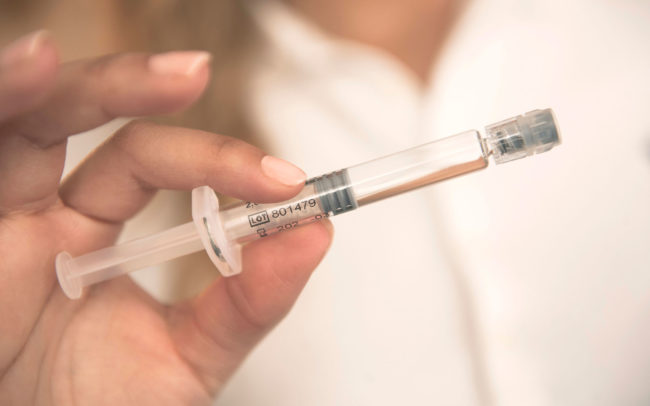
Infiltrations are a minimally invasive method using local anesthetic.
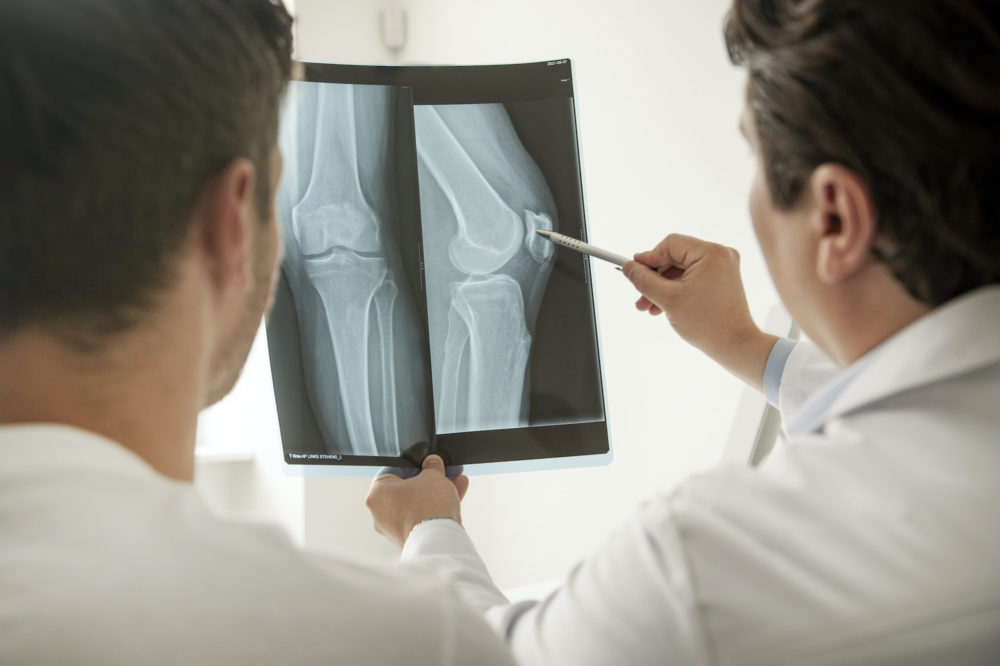
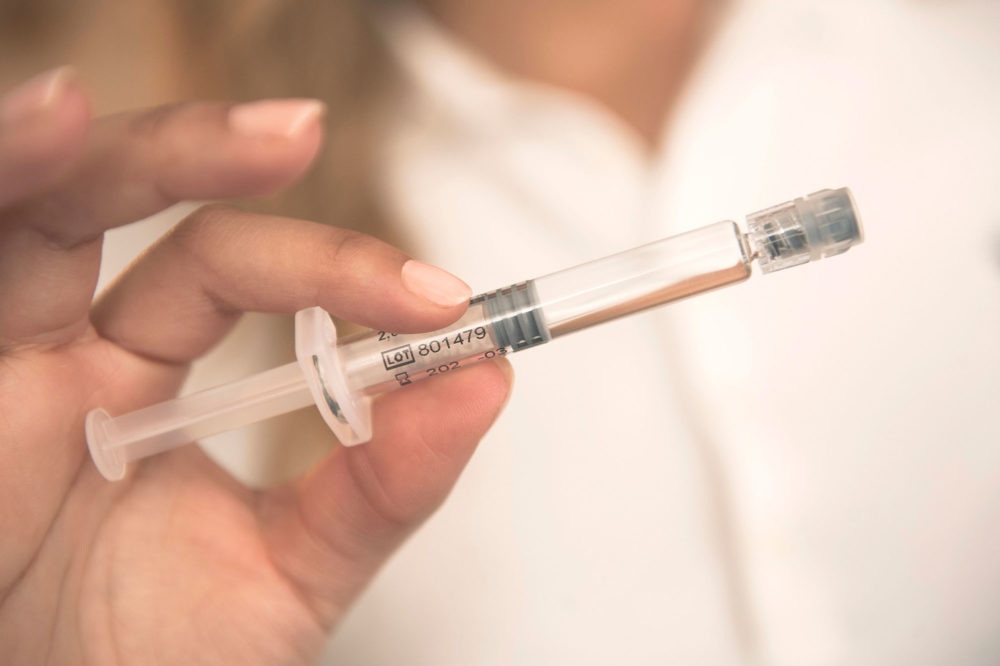
The infiltration therapy is a minimally invasive method in which pain-relieving and anti-inflammatory medications are injected directly into the affected area. This allows for faster pain relief and targeted action where the discomfort originates. This form of therapy is particularly used for back and joint pain, disc problems, tendon irritations, and osteoarthritis.
The targeted application of infiltration not only enables rapid pain relief but also an improvement in mobility. Depending on the diagnosis and the patient’s individual situation, infiltration therapy can be a one-time or repeated treatment to achieve long-term pain relief.
The pain-relieving effect of infiltration usually takes effect very quickly.
- Method: Targeted drug injection
- Areas of application: Joints, spine, tendons, muscles
- Procedure: Minimally invasive, outpatient (10–20 min.)
-
Result: Often immediate pain relief, improved mobility
- Fit for work: Usually immediately afterwards
Targeted pain therapy for the musculoskeletal system – infiltration for rapid relief and improved mobility.
Diagnosis, procedure and advantages of infiltration therapy
The decision to undergo infiltration therapy begins with a detailed diagnosis. A thorough clinical examination and, if necessary, imaging procedures such as X‑rays, MRI or ultrasound help to identify the exact cause of the pain and determine whether infiltration is a suitable treatment option.
The procedure for infiltration therapy is minimally invasive and is performed on an outpatient basis. Using a fine needle, anti-inflammatory drugs or local anesthetics are specifically injected into the affected area. Depending on the indication, the infiltration can be carried out in joints, spine, tendons or muscle areas. Precise placement ensures a direct effect at the point of pain, which can quickly relieve the symptoms and reduce movement restrictions.
Advantages of infiltration therapy:
Rapid pain relief: Effective directly at the affected area
Minimally invasive: No surgical intervention required
Improved mobility: Painful restrictions are reduced
Targeted treatment: Fewer side effects than systemic painkillers
Can be performed on an outpatient basis: No long recovery period necessary
Infiltration therapy offers an effective way to treat pain in the musculoskeletal system in a targeted manner, thereby sustainably improving the quality of life. Depending on the individual situation, the therapy can be carried out as a one-time treatment or in several sessions to achieve long-term freedom from symptoms.
Effective pain therapy in Vienna with targeted infiltration – gentle, precise and fast-acting.
Frequently Asked Questions (FAQs) about infiltration therapy in Vienna
What is infiltration therapy and how does it work?
Infiltration therapy is a targeted pain treatment in which anti-inflammatory drugs or local anesthetics are injected directly into the affected area of the musculoskeletal system. This directly treats the source of the pain, leading to rapid relief and improved mobility. This method is often used for joint, back, tendon and muscle complaints.
When is infiltration useful?
An infiltration can be used for chronic or acute pain in the musculoskeletal system, especially if conservative measures such as physiotherapy or painkillers are not sufficiently effective. Typical areas of application are:
- Arthritis-related pain (knee, hip, shoulder)
- Disc problems and spinal complaints
- Tendonitis (e.g. tennis elbow)
- Bursitis
- Back and neck pain due to muscle tension
How does an infiltration work?
Infiltration therapy is carried out on an outpatient basis and only takes a few minutes. After thorough disinfection, a fine needle is inserted specifically into the affected region. If necessary, the infiltration can be carried out under ultrasound or X‑ray control to ensure precise placement of the injection. The patient can then usually be mobile again immediately.
What medications are used in an infiltration
Depending on the type of complaint, various active ingredients can be injected:
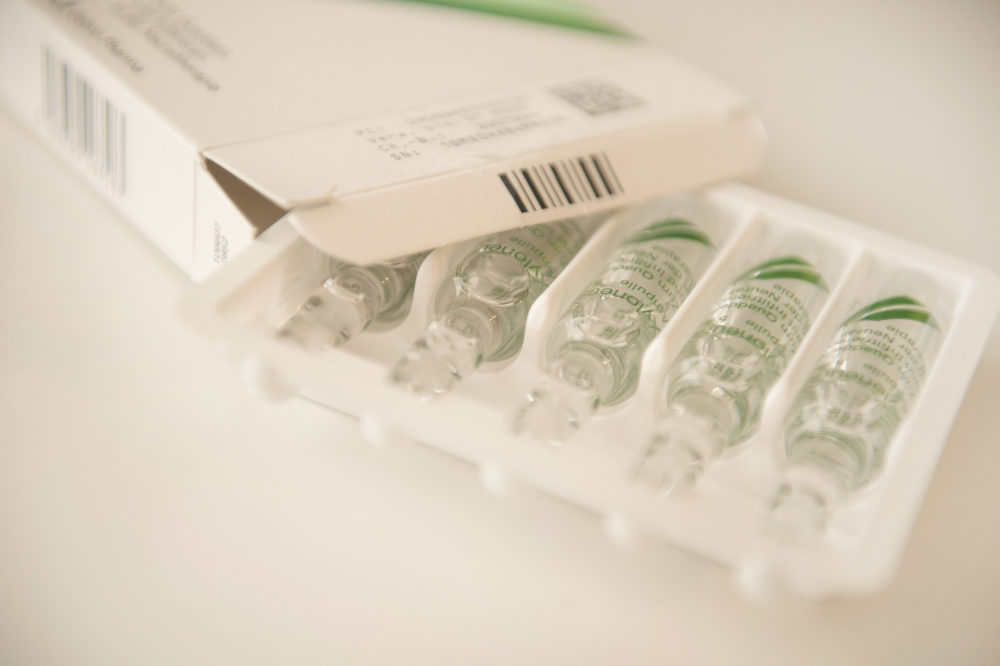
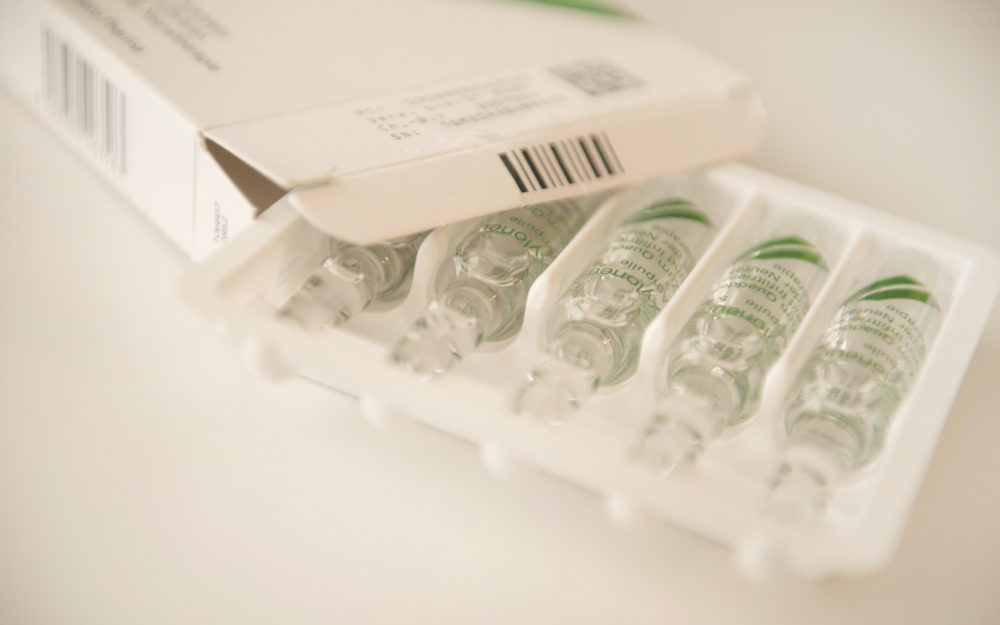
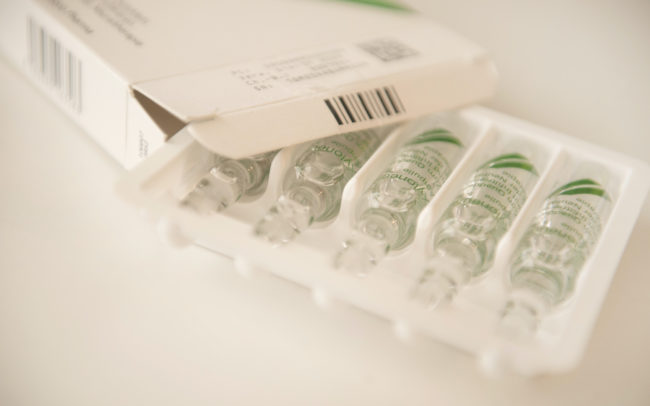
- Local anesthetics for rapid pain relief
- Cortisone preparations for long-term anti-inflammatory effects
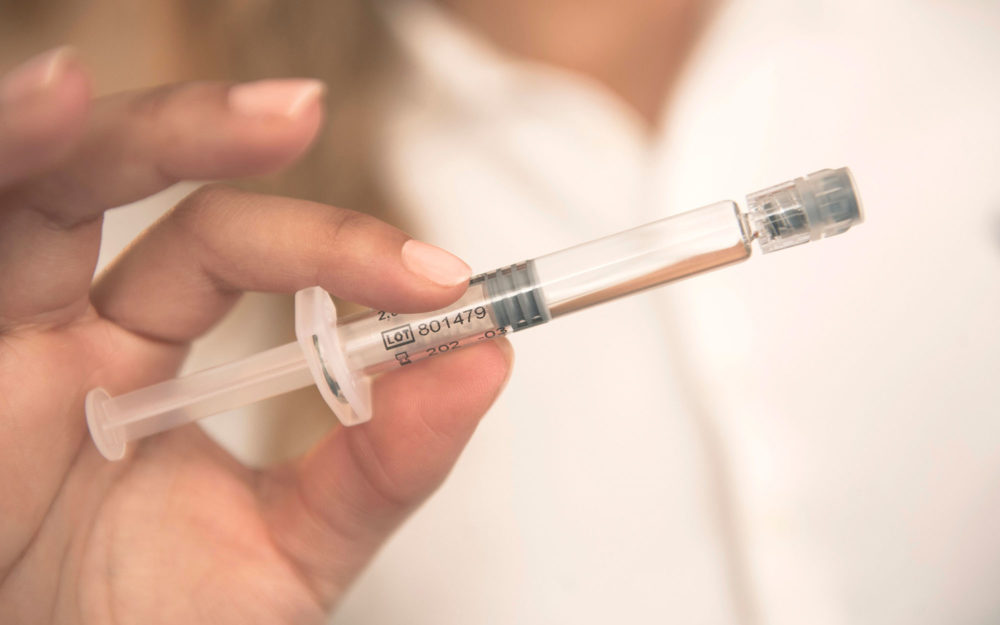
- Hyaluronic acid to improve joint function
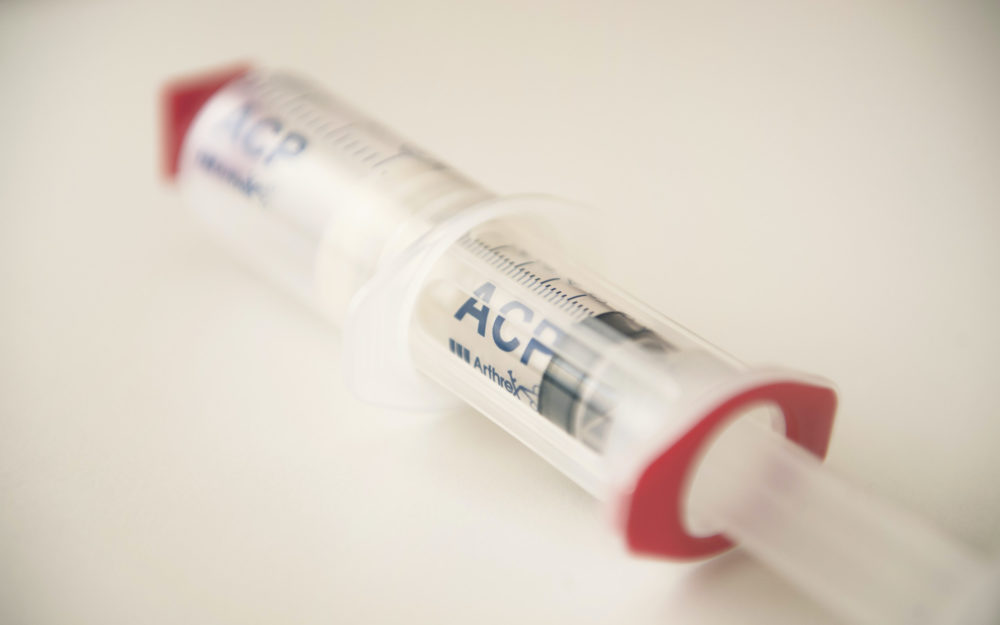
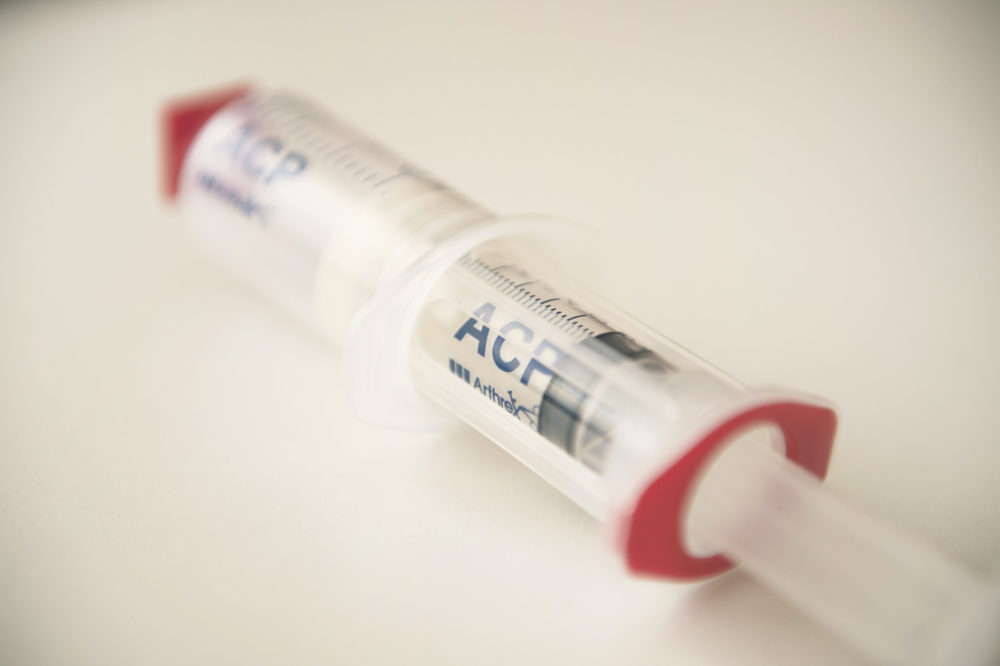
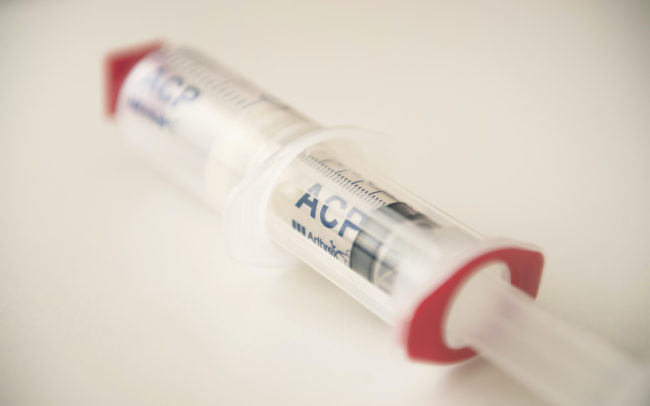
- Biological regeneration therapies (e.g. ACP, PRP) to promote healing
How quickly does an infiltration work and how long does the effect last?
The effect often occurs shortly after the injection, especially if it contains a local anesthetic. Cortisone infiltrations usually develop their full effect within a few days and can last for weeks or months. With biological therapies such as ACP, the regenerative effect can increase over a longer period of time.
How often can infiltration therapy be carried out?
The frequency of infiltrations depends on the individual diagnosis. In many cases, a single injection is sufficient to significantly alleviate the symptoms. If necessary, infiltrations can be repeated in several sessions at intervals of a few weeks.
Are there any risks or side effects with infiltration therapy?
Infiltration therapy is a safe and minimally invasive procedure. Occasionally, slight redness, swelling or a temporary feeling of pressure may occur at the injection site. Serious side effects are rare. With cortisone injections, excessive use should be avoided as this can attack the cartilage in the long term.
Can an infiltration replace an operation?
In many cases, an infiltration can help to delay or even avoid an operation. However, if there is advanced joint wear or structural damage, surgery may be the better long-term solution. Individual medical advice is crucial.
What should be considered after an infiltration?
After an infiltration, the treated area should be rested for a few hours. In the first 24 hours, it is advisable to avoid intense stress or sporting activities. If necessary, a cooling pad can help to relieve slight swelling or feelings of pressure.
Can infiltration therapy be combined with other treatments?
Yes, infiltrations can often be combined well with physiotherapy, manual therapy, or other pain management measures. A holistic treatment strategy can help to reduce pain in the long term and improve mobility.
Further services of my practice
Service: ACP Therapy
ACP Therapy Vienna | Autologous Blood Therapy | Stem Cell Therapy
ACP therapy (Autologous Conditioned Plasma), also known as stem cell therapy, is a modern and gentle treatment method for relieving joint and tendon pain. This form of autologous blood therapy utilizes the regenerative properties of one’s own blood to heal and regenerate inflamed or damaged tissues. A small amount of blood is drawn, processed using a special procedure, and the resulting plasma, rich in concentrated growth factors, is then specifically injected into the affected joint or tissue.
ACP therapy is ideally suited for the treatment of osteoarthritis, tendon irritations, or injuries where natural regeneration is to be supported. Through the targeted use of the body’s own substances, healing is accelerated, pain is reduced, and the functionality of the affected area is sustainably improved. The method is minimally invasive, low-risk, and promotes natural regeneration without the use of foreign substances.
- Method: Autologous Conditioned Plasma (ACP) therapy
- Areas of application: Joint pain, tendon irritation, osteoarthritis, sports injuries
- Procedure: Minimally invasive, outpatient, without anesthesia
- Duration: approx. 15–20 minutes per session
- Pain relief: Usually noticeable after a few weeks
- Repeatability: As needed in several sessions (usually 3–5 treatments)
- Goal: Tissue regeneration, pain relief, improved functionality
- Special feature: Use of the body’s own growth factors without foreign substances
Innovative pain therapy – Achieve greater mobility and quality of life with ACP autologous blood therapy.
Diagnosis, treatment and benefits of autologous blood therapy (ACP therapy)
In the initial consultation, a detailed examination will determine whether ACP therapy is suitable for the individual’s symptoms. Joint or tendon pain can often be caused by injuries, inflammation or signs of wear and tear. ACP therapy is particularly helpful for osteoarthritis, tendonitis, sports injuries or other degenerative diseases of the musculoskeletal system, where natural healing is to be promoted.
The treatment is minimally invasive and is performed on an outpatient basis. First, a small amount of blood is drawn, which is processed using a special procedure. The growth factors are isolated from the platelets (thrombocytes), which play a crucial role in tissue regeneration. The processed plasma is then injected specifically into the affected region to promote the healing process, relieve pain and improve mobility.
Advantages of ACP therapy:
Natural healing: Use of the body’s own substances without foreign materials.
Minimally invasive: Outpatient treatment without long downtimes.
Broad range of applications: Effective for arthrosis, tendon irritations and injuries.
Sustainable effect: Promotes regeneration and pain relief over a longer period.
Gentle and low-risk: No rejection reactions or allergic side effects.
ACP therapy is particularly effective in supporting the natural regeneration of damaged tissue while improving the quality of life of patients. This innovative method offers a gentle alternative to surgical interventions and helps to sustainably maintain the functionality of joints and tendons.
Effective pain therapy with ACP autologous blood therapy – gentle, natural and effective in Vienna.
Frequently asked questions (FAQs) about ACP therapy, autologous blood therapy & stem cell therapy in Vienna
What is ACP therapy and how does it work?
The ACP therapy (Autologous Conditioned Plasma) is a modern autologous blood therapy used to treat joint and tendon pain. A small amount of blood is taken, processed and the concentrated plasma with its natural growth factors is injected directly into the affected joint or tissue. This promotes healing, reduces inflammation and relieves pain in a natural way – without any foreign substances or medication.
What is the difference between ACP therapy, autologous blood therapy and stem cell therapy?
- The ACP therapy uses the body’s own growth factors from blood plasma to regenerate tissue and inhibit inflammation.
- Autologous blood therapy is a generic term for various treatments with the body’s own blood, including ACP.
- Stem cell therapy is based on the extraction and injection of the body’s own stem cells to specifically repair damaged tissue.
While ACP is mainly used to treat arthrosis, tendonitis and sports injuries, stem cell therapy is often used to regenerate cartilage tissue in advanced arthrosis.
What conditions is ACP therapy suitable for?
The ACP autologous blood therapy can be used for a variety of orthopedic conditions, including:
-
- Arthrosis in the knee, hip, shoulder or ankle
- Tendonitis (e.g. tennis elbow, Achilles tendon irritation)
- Sports injuries (e.g. sprains, muscle injuries)
- Joint wear in the early and mid-stage
- Postoperative support after orthopedic procedures
What is the procedure for ACP therapy?
The treatment is carried out on an outpatient basis and takes about 15–20 minutes:
-
- Blood collection: A small amount of blood is taken from the arm vein.
- Preparation: The blood is centrifuged in a special process to isolate the platelet-rich plasma (ACP).
- Injection: The concentrated plasma is injected directly into the affected joint or tissue.
How often should ACP treatment be performed?
Depending on the stage of arthrosis or injury, 3–5 sessions at intervals of one week each are usually required. The treatment can be repeated individually to support long-term regeneration.
How long does it take for ACP therapy to take effect?
Many patients feel an improvement after just a few days. The full effect occurs in the weeks after the last injection and lasts for several months to over a year, depending on the condition.
Is ACP therapy an alternative to surgery?
The ACP autologous blood therapy can delay or even avoid surgery in many cases, especially in the case of incipient or moderate arthrosis. In the case of advanced joint wear, it can alleviate the symptoms, but cannot always replace a joint replacement.
Are there any side effects or risks with ACP therapy?
Since ACP therapy uses only the body’s own substances, it is particularly well tolerated. Occasionally, slight redness or swelling may occur at the injection site, but this will subside quickly. Serious side effects are extremely rare.
Can ACP therapy be combined with other treatments?
Yes, ACP therapy can be ideally combined with physiotherapy, hyaluronic acid injections or other regenerative therapies such as stem cell therapy. An individually tailored treatment can further enhance the effect.
Will the costs of ACP therapy be covered by health insurance?
In Austria, ACP therapy is one of the individual health services (IGeL) and is therefore generally not reimbursed by statutory health insurance funds. Private health insurance or supplementary insurance policies cover the costs in part or in full.
Further services of my practice
Service: Osteoarthritis Therapy
Hyaluronic Injection Vienna – Osteoarthritis Therapy
Osteoarthritis therapy using hyaluronic acid injections.
Osteoarthritis is one of the most common joint diseases and results from the progressive wear and tear of the articular cartilage. The resulting pain and restricted movement significantly impair the quality of life. Knee, hip, and shoulder joints are most commonly affected. With the right osteoarthritis therapy, wear and tear can be slowed down and symptoms can be effectively treated.
A proven and gentle treatment method is the hyaluronic acid therapy. Hyaluronic acid is injected directly into the affected joint to improve joint fluid and increase cartilage lubrication. Hyaluronic acid acts like a lubricant that protects the articular cartilage, reduces inflammation, and increases the joint’s resilience. The injections are particularly effective in the early and middle stages of osteoarthritis and help to postpone surgery.
- Method: Injection of hyaluronic acid directly into the affected joint
- Indications: Knees, hips, shoulders, and other joints at risk of osteoarthritis
- Procedure: Minimally invasive, outpatient, without anesthesia
- Duration: approx. 10–20 minutes per session
- Pain relief: Often noticeable within a few days
- Duration of effect: Several months, depending on the stage of osteoarthritis
- Repeatability: Individual, depending on the progression of osteoarthritis
- Goal: Pain relief, improved mobility, cartilage protection
Pain relief through hyaluronic acid injection – Osteoarthritis therapy for a better quality of life.
Diagnosis, Treatment, and Benefits of Osteoarthritis Therapy with Hyaluronic Acid
The diagnosis of osteoarthritis begins with a thorough examination of the affected joints. A combination of medical history, physical examination, and imaging procedures such as X‑rays or MRI helps determine the stage of osteoarthritis and the severity of cartilage wear. Based on the results, an individualized treatment plan can be created.
In the treatment of osteoarthritis, hyaluronic acid therapy has proven to be particularly effective. Hyaluronic acid is injected directly into the affected joint to improve the joint fluid and protect the cartilage from further damage. The therapy is particularly gentle and is carried out on an outpatient basis, without the need for anesthesia or lengthy downtimes. Hyaluronic acid has an anti-inflammatory effect, improves the gliding ability of the joint and reduces pain in the long term.
Advantages of hyaluronic acid therapy:
Targeted effect: Direct treatment of the affected joint without stressing the entire body.
Gentle procedure: Minimally invasive, without surgical intervention.
Improved quality of life: Reduction of pain and restoration of mobility.
Long-term effect: Protection of the cartilage and delay of a possible joint replacement.
Individually adaptable: Suitable for many joints and various stages of osteoarthritis.
Hyaluronic acid therapy is an ideal solution for patients who suffer from the symptoms of osteoarthritis but want to avoid or postpone surgery. Through targeted treatment, pain can be reduced, mobility improved and the quality of life significantly increased.
Targeted osteoarthritis therapy with hyaluronic acid – For a pain-free and active life.
Frequently Asked Questions (FAQs) about Osteoarthritis Therapy with Hyaluronic Acid Injections in Vienna
What is hyaluronic acid therapy and how does it work?
Hyaluronic acid therapy is a minimally invasive method for treating osteoarthritis. Hyaluronic acid, a natural component of joint fluid, is injected directly into the affected joint. It acts as a lubricant, reduces friction and inflammation in the joint, relieves pain and improves mobility.
Which joints are suitable for hyaluronic acid therapy?
The therapy can be used for almost all joints affected by osteoarthritis, especially for:
- Knee joints (knee osteoarthritis)
- Hip joints (hip osteoarthritis)
- Shoulder joints
- Ankle joints
The hyaluronic acid injection is individually adapted to the affected joint and the severity of the osteoarthritis.
When is hyaluronic acid therapy useful?
Hyaluronic acid therapy is particularly effective in the early to middle stages of osteoarthritis. It can help improve joint function, relieve pain and postpone surgery, such as joint replacement. It is also a useful option for chronic joint problems that do not respond to conservative measures.
What is a hyaluronic acid injection like?
The injection is performed on an outpatient basis and only takes a few minutes. After disinfecting the skin, the hyaluronic acid is injected directly into the joint with a fine needle. If necessary, the procedure is performed under ultrasound guidance to ensure precise placement of the injection. The patient can then be mobile again immediately.
How quickly does a hyaluronic acid injection work and how long does the effect last?
The effect usually begins within a few days to weeks after the injection. Patients report a noticeable reduction in pain and an improvement in mobility. Depending on the stage of osteoarthritis, the effect of hyaluronic acid lasts for several months to a year. The treatment can be repeated if necessary.
Are there any side effects with hyaluronic acid therapy?
Hyaluronic acid therapy is a very safe procedure. Occasionally, slight redness, swelling or a temporary feeling of pressure may occur at the injection site. Serious side effects are extremely rare.
How many hyaluronic acid injections are necessary?
The number of injections depends on the stage of osteoarthritis and the individual symptoms. As a rule, 3 to 5 sessions at weekly intervals are necessary to achieve optimal results.
Can hyaluronic acid therapy replace surgery?
In many cases, hyaluronic acid therapy can postpone or even avoid surgery. The therapy can significantly relieve symptoms, especially in the early stages of osteoarthritis. However, in the case of very advanced osteoarthritis or completely destroyed cartilage, a joint replacement is often the better solution.
Can hyaluronic acid therapy be combined with other treatments?
Yes, the therapy can be effectively combined with other conservative measures such as physiotherapy, anti-inflammatory medication, or exercise therapy. A holistic treatment approach can support healing success and further improve joint function.
Who covers the costs for hyaluronic acid therapy?
The costs for hyaluronic acid therapy are generally not covered by statutory health insurance, as it is considered an individual health service. Private health insurance companies often cover the costs fully or partially. Patients should consult with their health insurance provider before treatment.
Further services of my practice
Service: Shockwave Therapy
Shockwave Therapy ESWT Vienna
Shockwave Therapy (ESWT) Vienna – Targeted Pain Treatment with Profound Effect
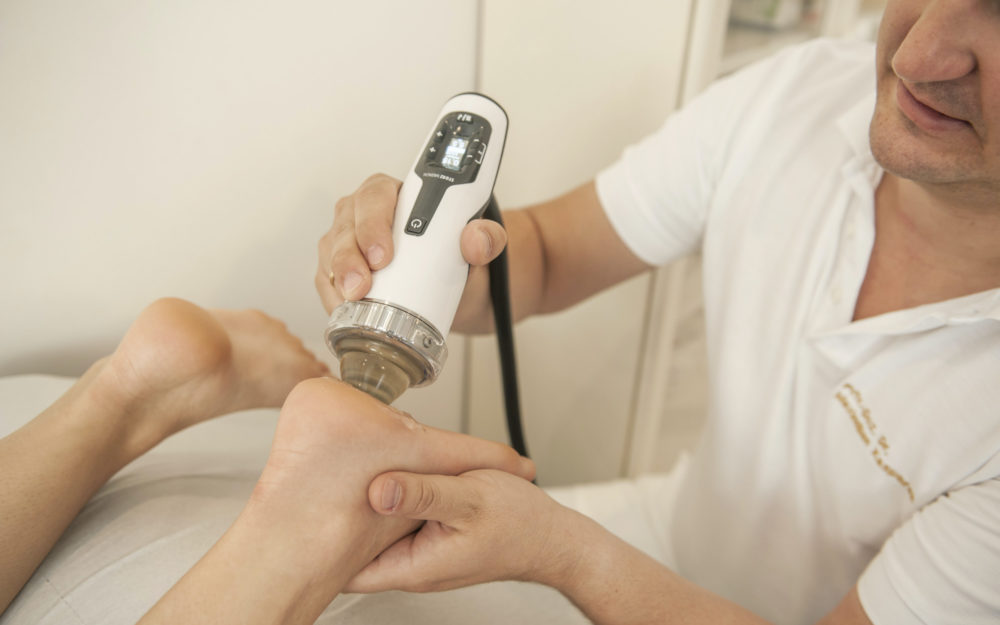
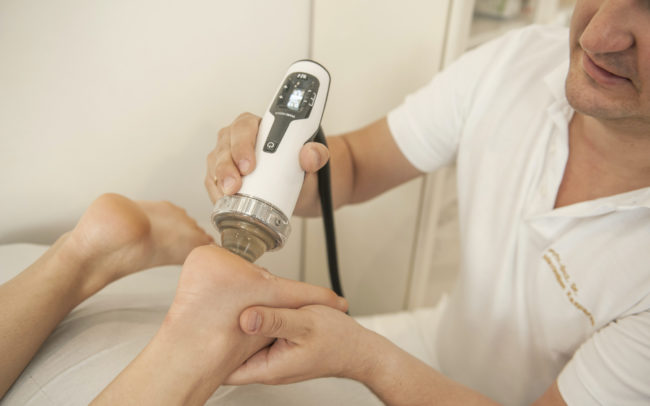
Extracorporeal Shockwave Therapy (ESWT) is considered a modern, non-invasive method for treating chronic and acute pain in the musculoskeletal system. High-energy shockwaves specifically stimulate the regeneration of tendons, ligaments, muscles, and bone tissue – entirely without surgical intervention. The method has proven particularly effective for therapy-resistant conditions where conventional conservative measures do not show sufficient effect.
Typical conditions for which ESWT is used include:
Heel Spur and Plantar Fasciitis
Tennis Elbow (Epicondylitis)
Calcific Shoulder (Tendinosis Calcarea)
Achilles Tendon Complaints
Muscle Indurations and Trigger Points
Patellar Tendinopathy (“Jumper’s Knee”)
Tendon Insertion Irritations, e.g., in the Hip or Thigh Area
Due to its stimulating effect on cell metabolism and blood circulation, shockwave therapy can accelerate the natural healing process, reduce pain, and restore mobility.
Facts:
Shockwave therapy Vienna (ESWT)
-
- Therapy form: Non-invasive, outpatient (extracorporeal shock wave therapy)
- Treatment duration: 15–20 minutes per session
- Areas of application: Heel spur, calcific tendinitis, tennis elbow, Achilles tendon and much more.
- Sessions recommended: 3–5 sessions at intervals of 1 week
- Effect: Pain relief, promotion of healing, anti-inflammation
- Advantages: No surgery, short treatment duration, rapid effect
Shockwave therapy specifically activates the body’s self-healing powers – precise, effective and without surgical intervention.
Procedure, Efficacy, and Benefits of Shockwave Therapy in Vienna
Prior to treatment, a careful assessment of the symptoms is conducted through clinical examination and, if necessary, imaging diagnostics. The aim is to identify the exact cause of pain and determine whether extracorporeal shockwave therapy is the appropriate measure.
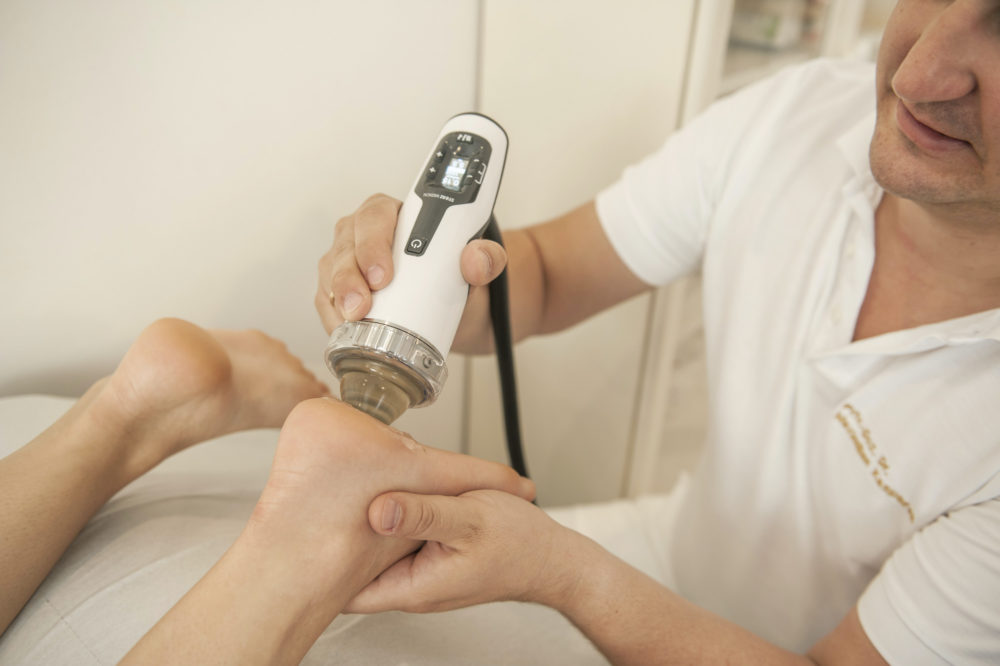
During the treatment itself, focused or radial shockwaves are specifically directed at the affected body region. These impulses penetrate deep into the tissue, stimulating blood circulation, cell regeneration, and healing. Depending on the clinical picture, 3 to 5 sessions are usually recommended at weekly intervals.
Shockwave therapy is particularly advantageous because it:
- does not require surgery,
- does not damage tissue,
- provides pain relief,
- can alleviate chronic inflammation,
- improves mobility, and
- enables a quick return to daily life.
After the treatment, the affected region may be temporarily sensitive, but this subsides quickly. A combination with physiotherapeutic measures can further support the treatment success.
Targeted impulses – rapid effect: Shockwave therapy provides noticeable relief for persistent musculoskeletal complaints.
Frequently Asked Questions (FAQs) on Shockwave Therapy (ESWT) in Vienna
Which conditions can be treated with shockwave therapy?
Shockwave therapy is used for a variety of orthopedic conditions. It is particularly common for calcific shoulder, heel spur, Achilles tendonitis, tennis elbow, golfer’s elbow, patellar tendon irritation (jumper’s knee), as well as chronic muscle tension and trigger points. ESWT also shows good results in poorly healing bone fractures (pseudarthroses) or bursitis in the hip area.
How does shockwave therapy work?
In shockwave therapy, high-energy mechanical waves are specifically directed into the painful tissue. These stimulate biological healing processes by promoting blood circulation, activating cell metabolism, and reducing inflammatory processes. Depending on the clinical picture, focused or radial shockwaves are used.
How many sessions are necessary?
Typically, a complete course of treatment comprises 3 to 5 sessions at approximately weekly intervals. The exact number depends on the individual clinical picture, the course of the condition, and the response to therapy. Some patients experience significant relief after just the first or second application.
Is shockwave therapy painful?
The intensity of the treatment can be individually adjusted. Typically, a pressure sensation is perceived, which is generally well-tolerated. In very sensitive areas or with more severe inflammation, there may be a temporary increase in sensitivity, but this quickly subsides.
Are the costs for shockwave therapy in Vienna covered by health insurance?
Extracorporeal shockwave therapy (ESWT) is considered a private medical service. Statutory health insurance providers generally do not cover the costs. However, many private supplementary insurance policies reimburse part or all of the treatment – it is advisable to consult with your respective insurance provider.
What advantages does shockwave therapy offer compared to other methods?
ESWT is a non-invasive form of therapy that does not require medication or surgery. It is particularly suitable for treating chronic conditions where conservative methods are insufficient. Its high efficacy, low side effect rate, and quick return to daily life make it an attractive option in modern pain therapy.
Can shockwave therapy be combined with other forms of treatment?
Yes, shockwave therapy can be very effectively combined with other conservative measures. It is often applied in conjunction with physiotherapy, stretching exercises, infiltration therapy, or manual therapy measures. This combination can accelerate healing processes and achieve more sustainable results.
How sustainable are the effects of shockwave therapy?
Many patients report a noticeable and lasting improvement in their symptoms – often for months or even years. Particularly in chronic pain syndromes such as heel spur or tennis elbow, shockwave therapy is effective even when other conservative measures have had little success. A prerequisite is a targeted indication and regular follow-up.
All services of our practice
Service: Orthopedic technology
Orthopedic technology
Custom-made individual insoles, bandages, orthoses, corsets and appliances.
For many types of foot malpositions and pain, custom-made orthopedic shoe insoles, which are individually adapted to your foot, can help.
Through our close cooperation with our highly specialized bandage maker, who is on site in our practice every Wednesday afternoon, we can jointly offer you the highest quality in orthopedic technical care.
In addition to custom-made insoles, we can also offer you a supply of bandages, orthoses, corsets and appliances via our practice.
For further information on the subject of custom-made individual insoles, bandages, orthoses, corsets and appliances, the practice team is always available.
We would be happy to advise you and look forward to getting to know you and accompanying you on your path to recovery.
All services of our practice
Service: Surgical Consultation
Consultation before an orthopedic surgery
Clarity before an orthopedic procedure
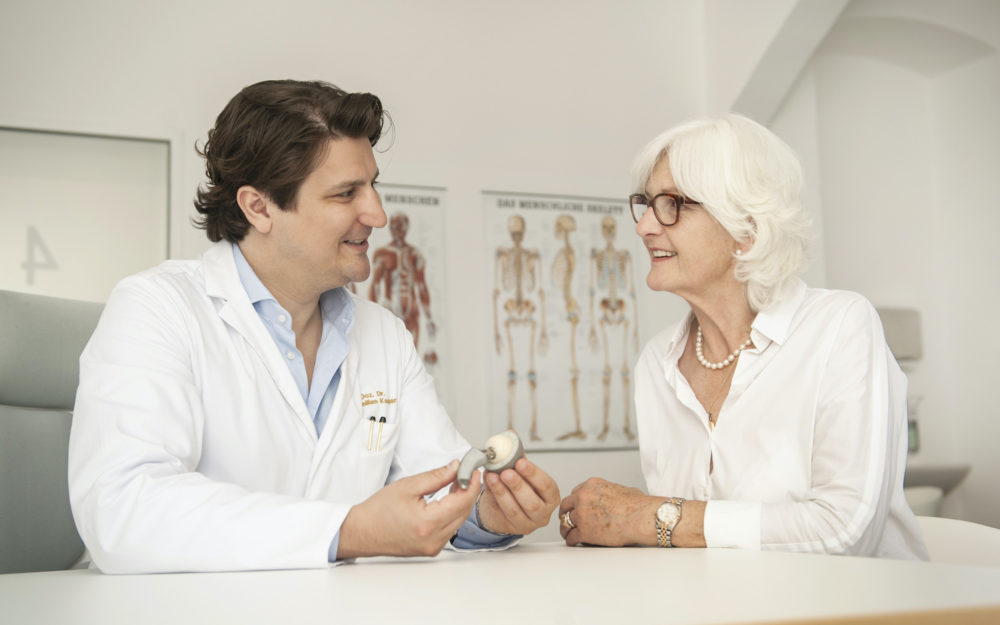
When conservative measures are no longer sufficient to enable pain-free movement in daily life or during sports, surgical intervention may be necessary. A well-founded consultation or a medical second opinion helps in making the right decision – at the optimal time and with the most suitable procedure for the individual situation.
Through my surgical practice at the Evangelical Hospital Vienna, orthopedic operations of the highest medical standard are offered. We exclusively employ modern, muscle-sparing surgical techniques, drawing upon current scientific findings and extensive experience.
Surgical specialties include:
If surgery is medically indicated or necessary, referral can be made directly to the Evangelische Krankenhaus. Information on costs and individual questions will be comprehensively clarified in a personal consultation.
For transparent surgical consultation or a qualified orthopedic second opinion.
A well-informed decision is the first step towards a successful operation. My goal is for you to understand all the options – and be able to choose the best solution for your health.
Second opinion & individual surgical preparation
Especially in the case of planned orthopedic operations, a well-founded second opinion is often crucial. It not only helps to confirm the necessity of the procedure, but also provides certainty in the selection of the optimal surgical method. In Vienna, there are numerous modern procedures that have different advantages and disadvantages depending on the diagnosis and personal situation.
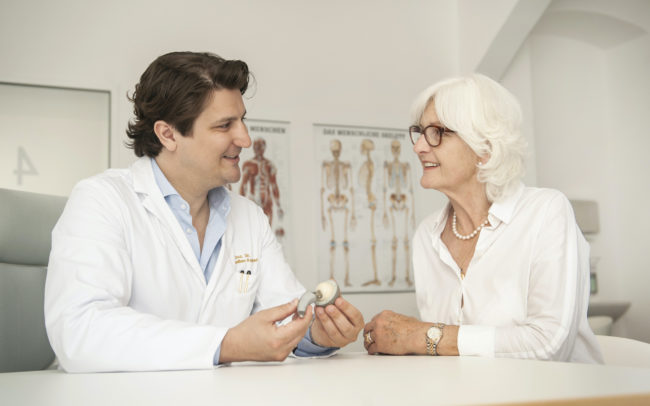
During the consultation prior to an orthopedic operation, all previous findings are first carefully analyzed and, if necessary, supplemented by clinical and imaging examinations. The aim is to examine both conservative and operative therapy options and weigh them together.
A detailed consultation makes it possible to clarify individual questions and to understand exactly the course of the planned operation – from the procedure itself to aftercare and rehabilitation. The main focuses of surgical care include hip and knee endoprosthetics, arthroscopic surgery of the shoulder and knee, as well as foot and hand surgery procedures.
A clear, evidence-based recommendation creates the basis for a well-informed decision – and a long-term therapeutic success.
Transparency, elucidation and trust are the basis of every successful orthopedic therapy – especially before a planned operation.
Questions and answers about the surgical consultation
When should a surgical consultation be sought?
A surgical consultation is always useful if an orthopedic operation has been recommended – for example, for hip or knee osteoarthritis, shoulder problems, meniscus or cruciate ligament rupture, hallux valgus, or herniated discs. A second opinion also provides guidance if you are unsure about the right time or the choice of surgical method.
What topics are discussed in a surgical consultation?
The consultation involves analyzing the previous diagnosis, weighing up conservative and surgical treatment methods, discussing risks and the healing process, and explaining the individually appropriate procedure – e.g., a minimally invasive hip or knee replacement, arthroscopic procedures, or foot corrections.
Are there alternatives to the planned operation?
An operation is not always absolutely necessary. Depending on the findings, conservative measures such as infiltration therapies, physiotherapy, shock wave therapy, ACP, or hyaluronic injections can be a real alternative. A second opinion also assesses whether such options can still be usefully exhausted.
Which orthopedic operations are the main focus of consultation?
The focus is particularly often on:
- Hip operations (e.g., AMIS prosthesis)
- Knee operations (e.g., navigated knee replacement, cruciate ligament surgery, meniscus)
- Revision operations for prosthesis problems
- Shoulder operations (e.g., calcific tendinitis, rotator cuff)
- Procedures on the hand and foot (e.g., carpal tunnel syndrome, hallux valgus)
What is the procedure for an orthopedic second opinion?
The consultation is based on a detailed discussion, review of existing findings, and, if necessary, supplementary clinical examination. An individual recommendation is then made – with all the advantages and disadvantages of the planned or alternative therapy.
Who bears the costs for a second opinion or surgical consultation?
Many health insurance companies cover the costs of an orthopedic second opinion. If there are any personal costs, you will be informed transparently in advance. The consultation enables a well-founded decision – especially in the case of serious or planned procedures.
Further services of my practice
Worth knowing
-
Skiing & Winter Sports with Knee or Hip Replacement | Tips December 16,2025
-
Skifahren & Wintersport mit Knie- oder Hüftprothese | Tipps December 16,2025
-
Hip Replacement: Procedure, Preparation, and Recovery October 22,2025
-
Hüftprothese: Ablauf, Vorbereitung und Genesung October 22,2025
-
Artificial hip joint: When is the right time for hip surgery? October 15,2025